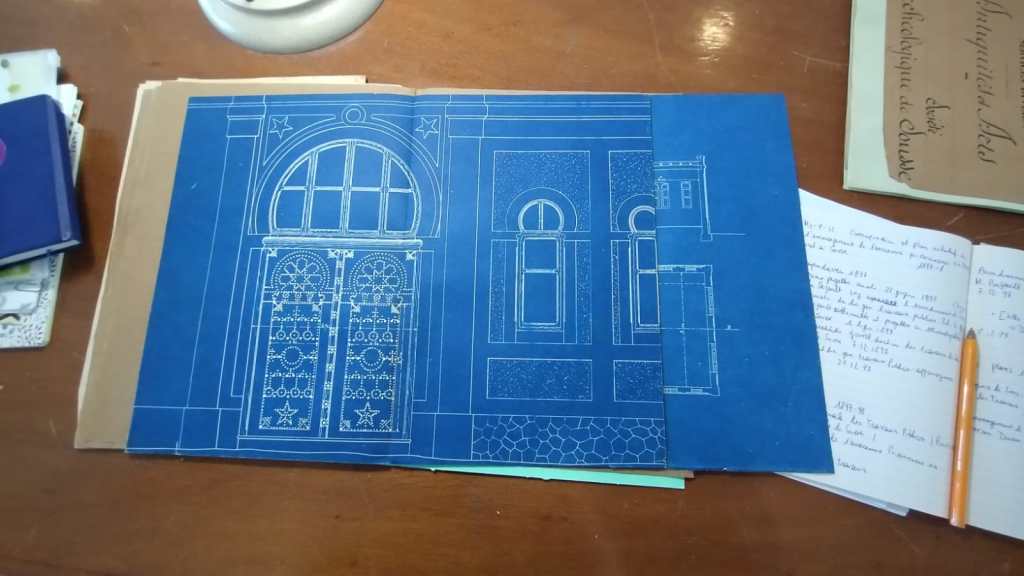
In the last month I have been able to travel to Tunisia to collect materials regarding the discovery of the Tunisian catacombs. The research included a study period at the National Archives of Tunis and a trip to Sousse.
The National Archives of Tunisia were established in 1955 with Tunisian internal autonomy and restructured in various stages starting in 1967, until they were organised as we know them today between 1988 and the 1990s. They mainly preserve materials relating to the management of affairs concerning the Tunisian population and territory since 1857, and then in particular under the French protectorate and the period of independence. It is structured in various series divided by theme and geographical sub-series (see https://www.archives.nat.tn).
The materials preserved here are mainly administrative, so information can be retrieved on the catacombs of Sousse, especially regarding their management over time. The series of interest are series E (relating to the activities of institutions and administrative services, in particular the Directorate of Antiquities and Arts), series M3 (Directorate of Public Works) and series M6 (Directorate of Public Education).
It was possible to find material on the establishment of the Museum of Sousse, the discovery of the catacombs and their classification as a monument of national interest.
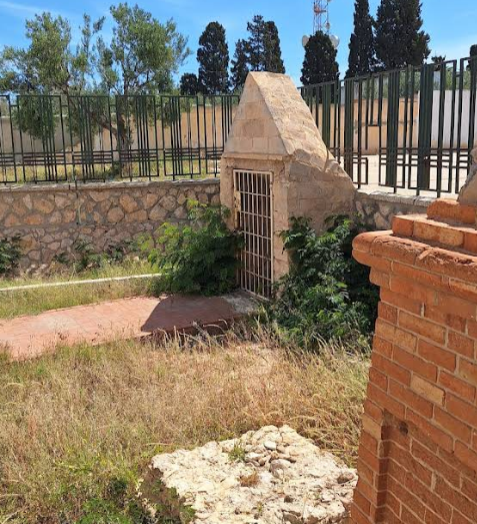
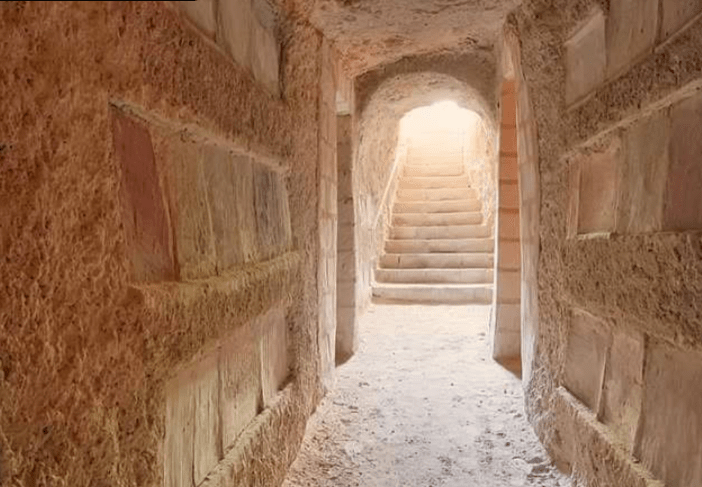
The catacombs of Sousse are underground burial structures dating back to between the 3rd and 6th centuries in the suburbs of the Roman city of Hardumetum. There are five different complexes of varying sizes, consisting of tunnels and burial chambers, in which the main tombs are either niches (closed with funerary inscriptions) or arcosolia or tombs (formae) with floors (mostly covered with decorated mosaics). From an archaeological point of view, the catacombs have yielded canonical material such as epigraphs, mosaics and oil lamps typical of North African production.
They are currently closed to the public.
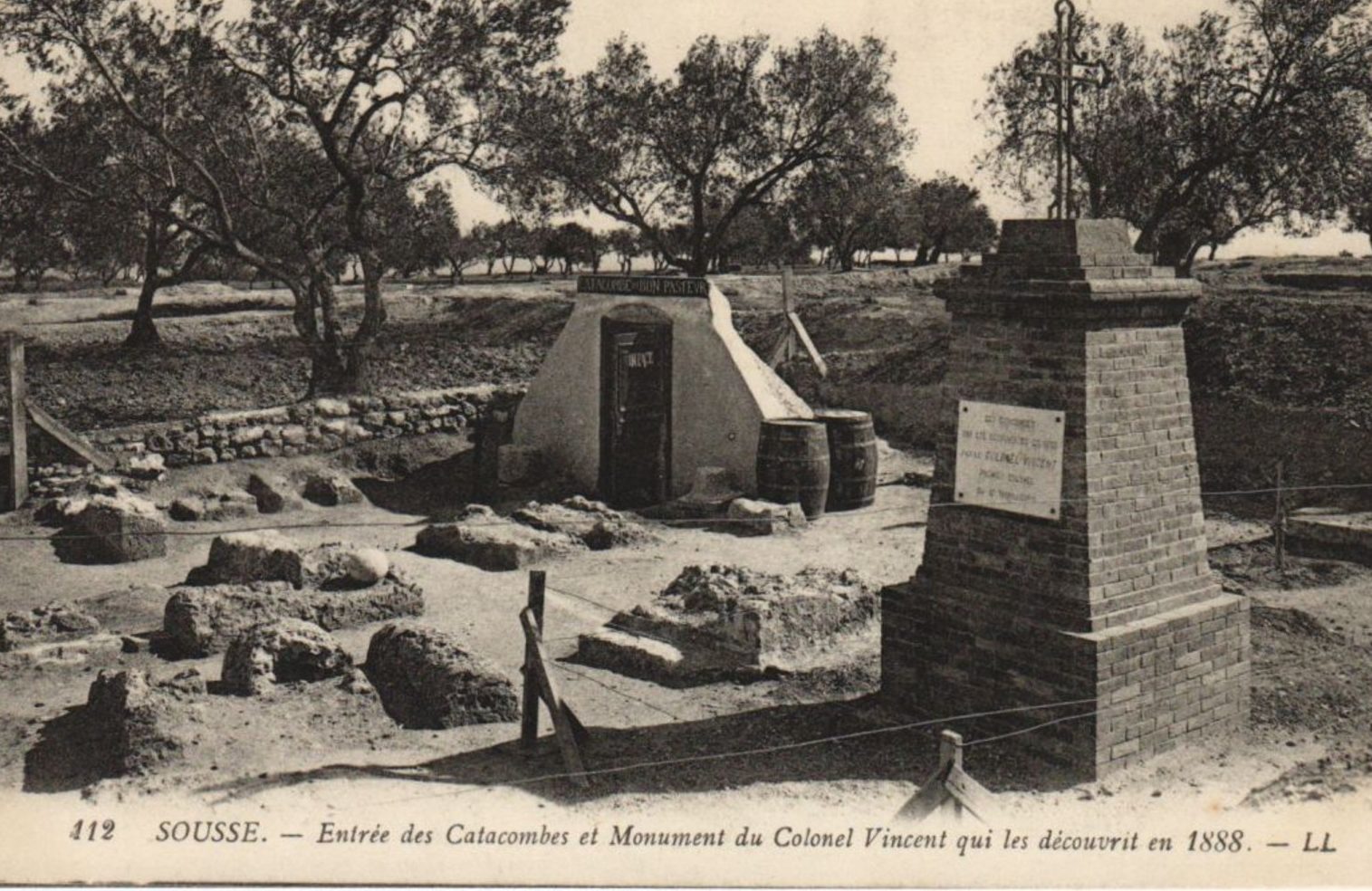
The first discoveries of the catacomb structures in 1888 were accidental, made by French colonel Vincent. Excavations, however, only began in 1903 by Father Augustin Leynaud. Leynaud, together with Carton and with the collaboration of the Societé Archeologique de Sousse, carried out excavations of the cemetery complexes of Sousse for over twenty years, publishing the only archaeological volumes relating to these campaigns, with a wealth of information on the finds and structures.
The Archaeology Museum of Sousse opened in 1897, during the French mandate in Tunisia in 1881, in a building near the commercial port. It was established to host the findings of the massive archaeological campaigns in the city and the surrounding areas. During 1942 and 1943, the city of Sousse was the target of intensive air strikes aimed at the port and its immediate surroundings. The artifacts that survived the war and those discovered successively in the wider region of Sahel were grouped together and exhibited in the fortress of the Kasbah. This new museum opened to visitors in 1951 thanks to the initiative and scientific work of French archaeologists, especially Louis Foucher. It was therefore closed for renovation in 2007 by the National Heritage Institute of Tunisia and reopened in 2012. It is now one of the most important archaeological museums in Tunisia, hosted in its impressive and restored Kasbah, where artifacts (and especially mosaics) are exhibited in a mostly chronological way.
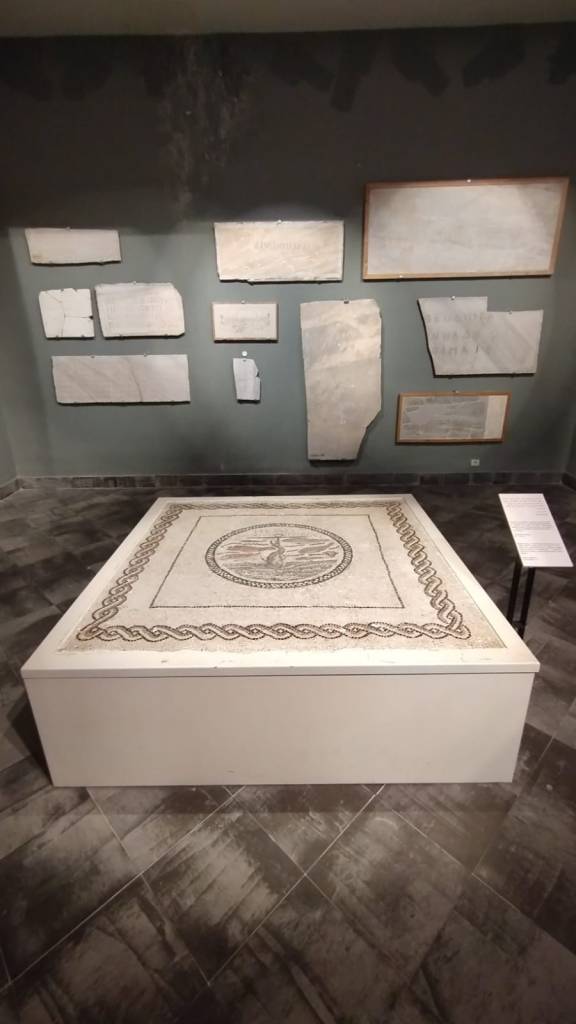
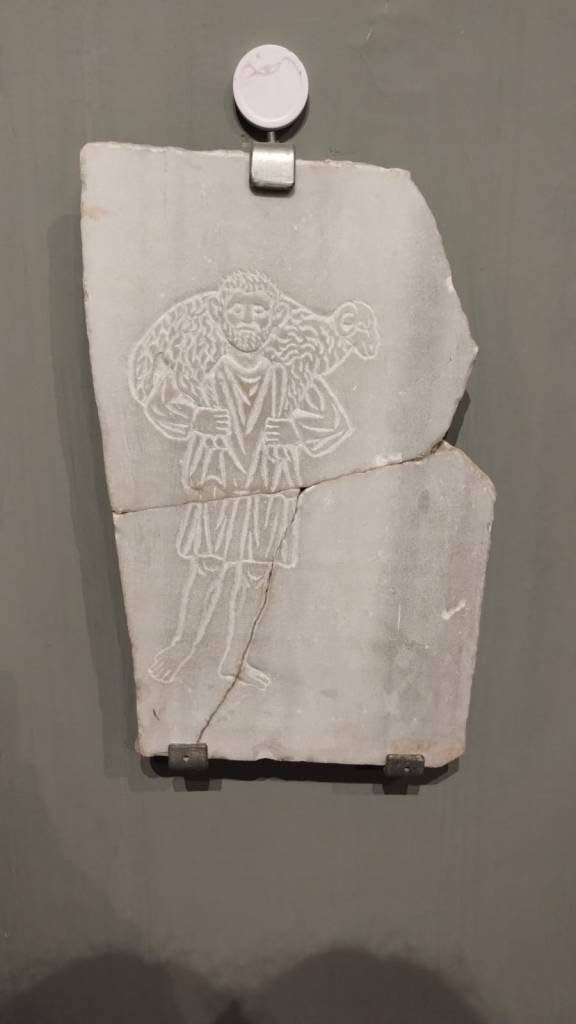
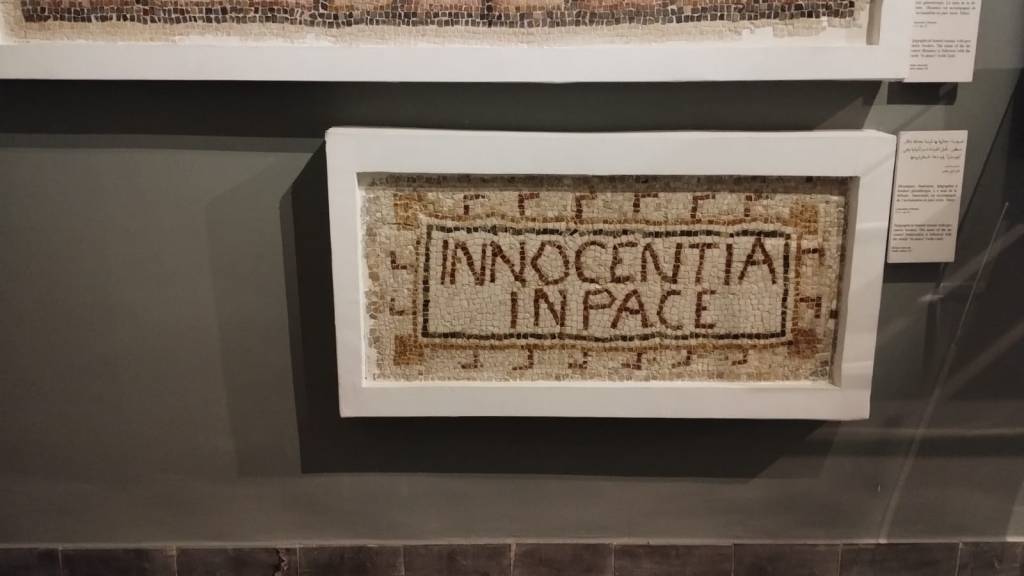
One of the side rooms of the museum is dedicated to Christian artifacts, and almost all of those on display come from the catacombs of Sousse, in particular the Catacomb of the Good Shepherd, the Catacomb of Hermes and the Catacomb of Severus. This is a very partial exhibition of all the finds, but it covers practically all the main types of materials: there are, of course, the main funerary mosaics found at these sites, many oil lamps (with clearly Christian iconography but of unspecified origin), and some funerary inscriptions of great importance. Today, this room is the only exhibition of material originating exclusively from the catacombs in Tunisia.
Additional information:
https://www.patrimoinedetunisie.com.tn/musees/musee-archeologique-de-sousse/apercu/
https://www.inp2020.tn/2020/01/02/musee-archeologique-de-sousse/#more-689
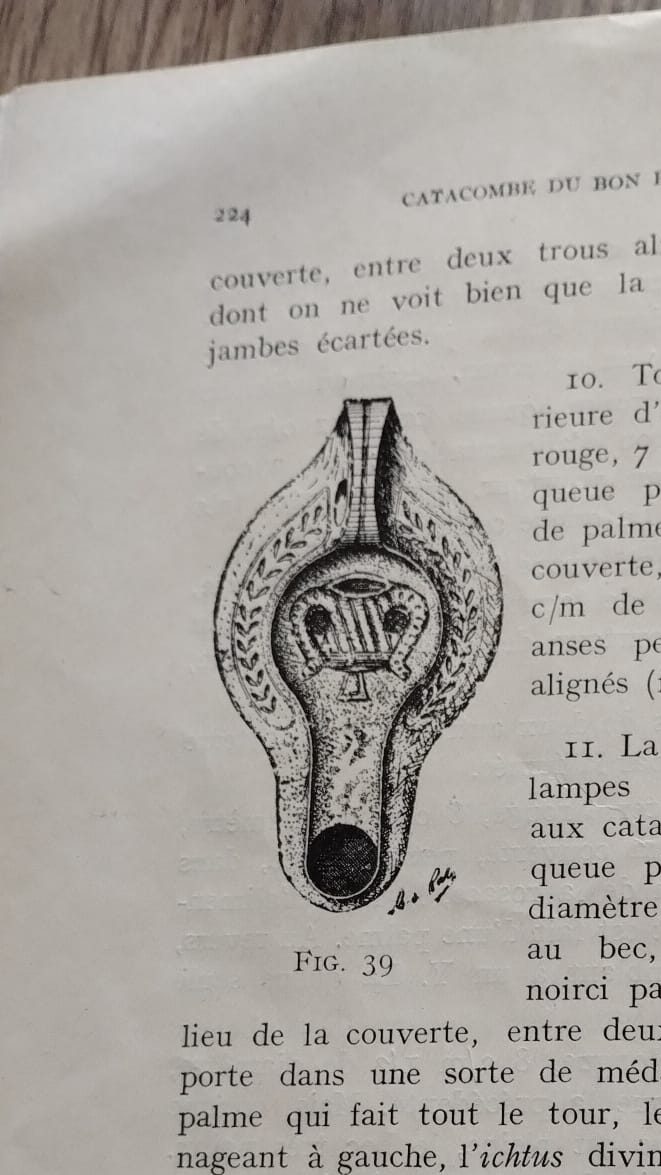
A.F. Leunayd, Les catacombes africaines : Sousse-Hadrumète, Maison-Carrée : Imprimerie polyglotte africaine, 1937



 Catacombs rediscovery