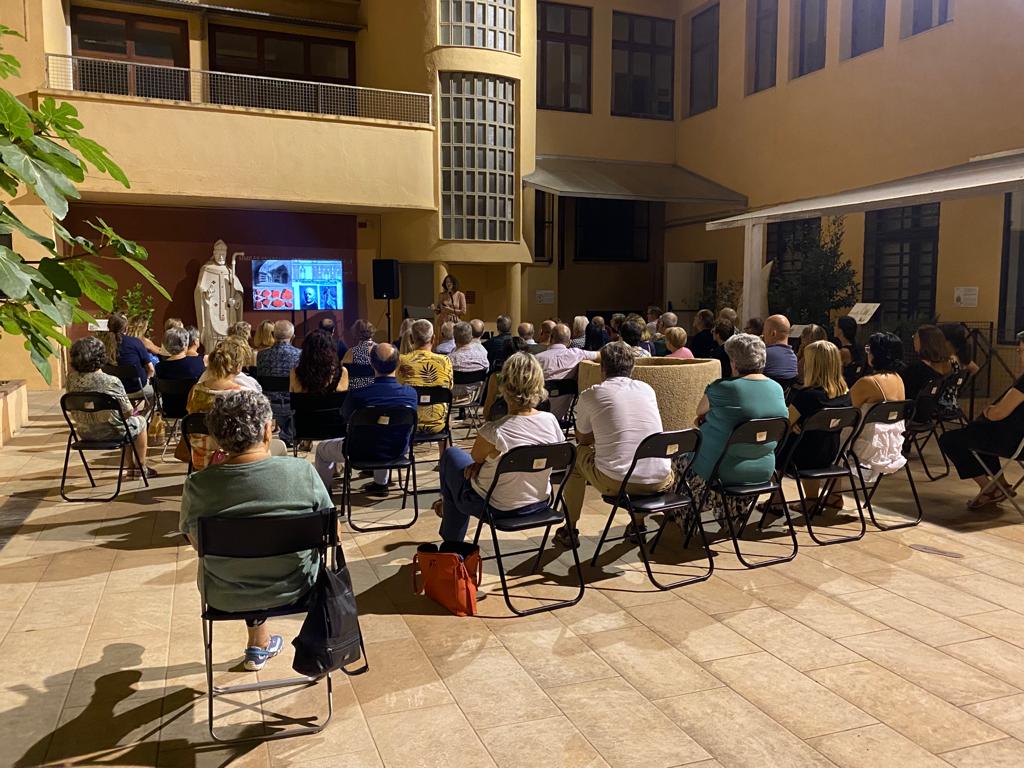
On the 30th June 2023 I joined the technical meeting on the future of the necropolis of Tarragona in the year of the 100th anniversary of its discovery, organised by the director of the National Archaeological Museum of Tarragona.
The necropolis has awarded seven million euros from the EU Next Generation funds, in the fSpanish “Plan de Recuperación, Transformación y Resiliencia” for its restoration and reopening. In light of this news, a panel of interdisciplinary professionals and the heads of the cultural organisations of the city of Tarragona (full programme here) got together to ask ourselves: One hundred years after its discovery, what are the most outstanding values of Necropolis that we must preserve for the future? And what needs to be done to transmit and enhance these values?
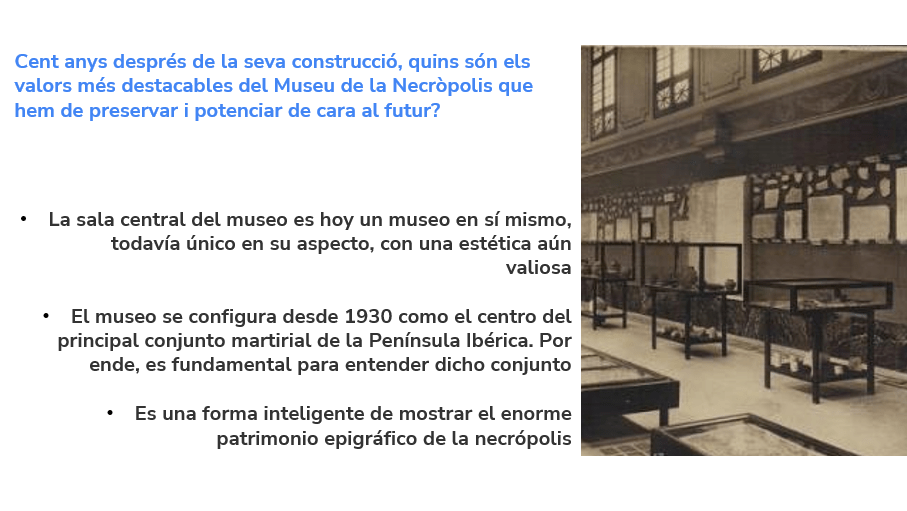
My role wwas to provide answers under the museologial point of view. In a full morning of work I presented some results of the study carried out during my secondment in 2022 (more info here). the answers are about to be developed more deeply in a pubblication, but this is the core of my presentation:
The day aimed to exchange points of view, offer a dialogue and reflection on this site and was open to the public, both in a presencial format and online, and is fully available online:
On 3 June we closed the exhibition «Los orígenes de la arqueología cristiana de Tarragona y la figura del Dr. Pere Batlle Huguet (1907-1990)» at the Museo Biblico in Tarragona. it was organised as part of the dissemination programme of the Conex-Plus project LIT! with the collaboration of many local and international institutions (as explained here).
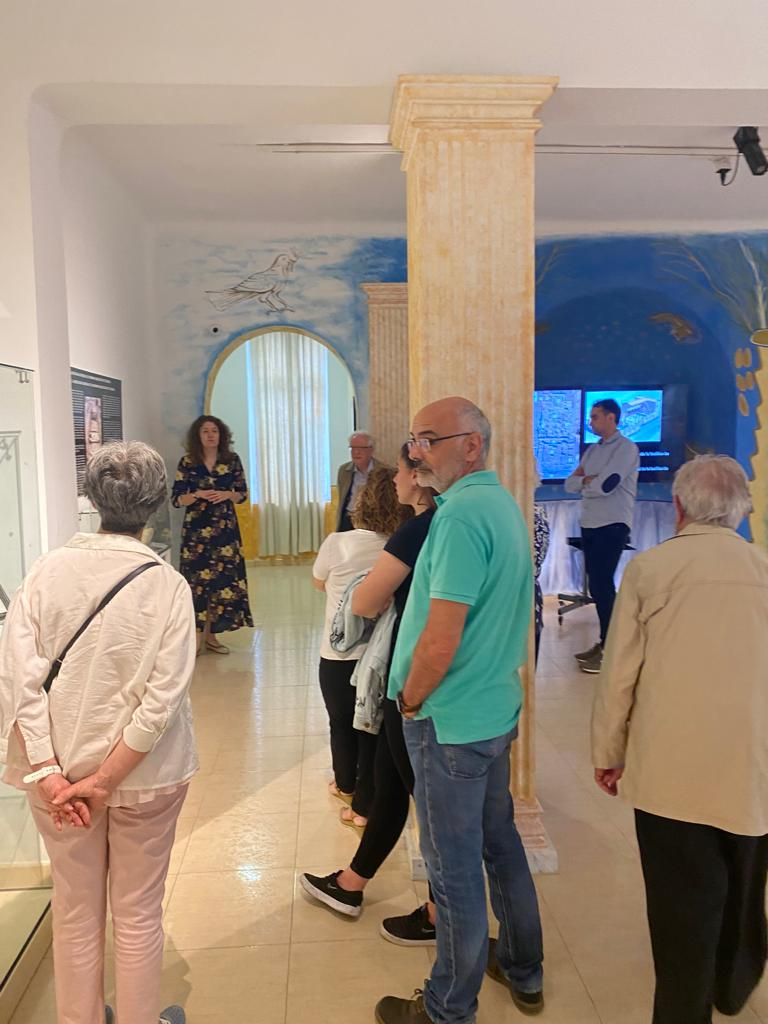
This month has been very busy, the museum has been open and the entrance free of charge, offering lectures of various kinds and guided tours of the exhibition, to which the citizens have responded very well. The events were always very crowded and heartfelt: many friends, relatives and acquaintances of Pere Battle accompanied us in these activities and shared their memories and photographs with us.
The exhibition therefore closes with the certainty of having left something in our visitors and having learned from them, created connections between institutions and helped to enhance the heritage of the city of Tarragona.
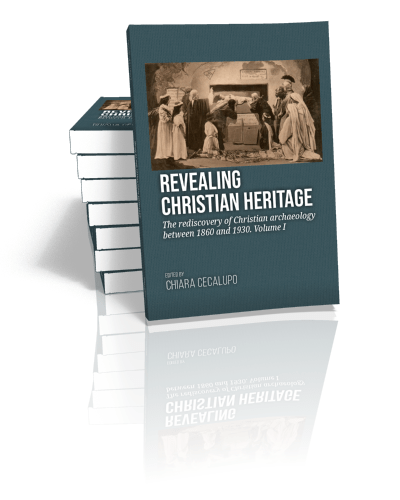
The rediscovery of Christian archaeology between 1860 and 1930. Volume I
This book is first product of the international online workshop series “Revealing Christian Heritage. Talks on the rediscovery of Christian archaeology between 1860-1930”. It collects different case studies of rediscovery of Christian antiquities between 1860-1930 in Europe and the Mediterranean basin, in order to stimulate reflections about the impact of these rediscoveries on our culture in a period of great political transition.
By turning the light on lesser-known stories on a wider European and Mediterranean horizon (Greece, Holy Land, Eritrea, Malta, Norway), this book gives a strong contribution to the history of Christian archaeology. All articles deal with many topics of the field (museology, cultural heritage protection law, history of religious orders, field archaeology, military explorations), and therefore offer a strong interdisciplinary cut.
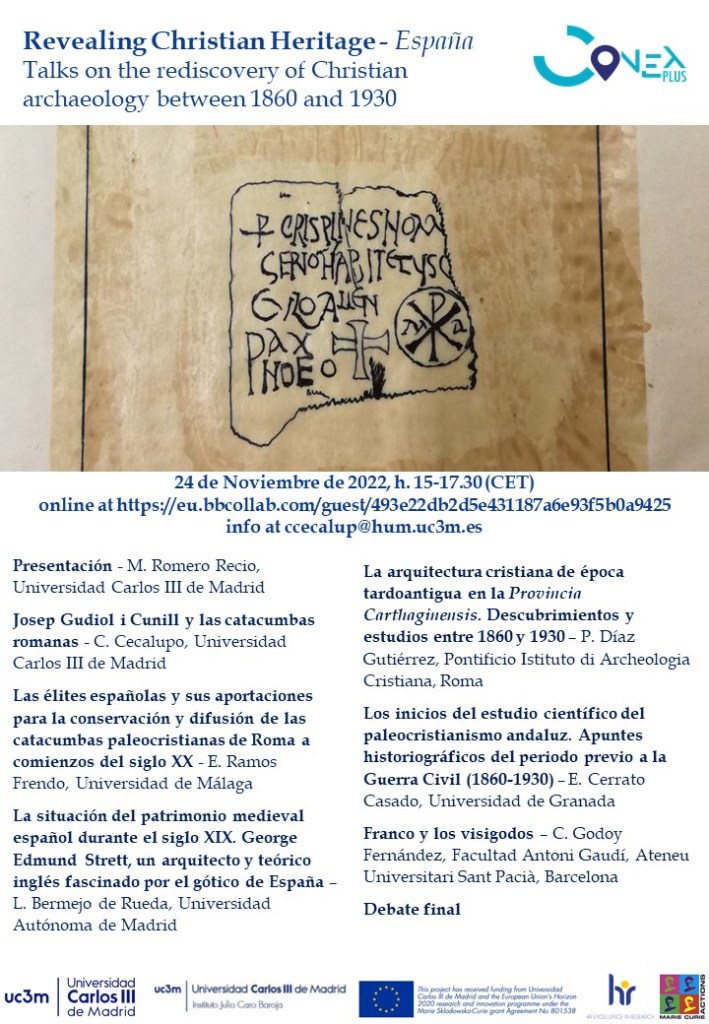
Among the dissemination activities of the Conex-Plus Project LIT!, we will celebrate the second talk of the series “Revealing Christian Heritage – Talks on the rediscovery of Christian archaeology between 1860 and 1930”. This year, the workshop will focus on the rediscovery of Christian antiquity in Spain in late 19th-early 20th century.
The first talk took place in September 2021 (more info here and here) and the publication of the proceedings will be announced soon.
After the summer break, the first two months of this academic year have been devoted to results dissemination. I will dedicate a separete blog post to online or on-person activities (stay tuned!), but first I would like to share the latest publications regarding the LIT! project. All in open access!
On October the 5th, the volume 32 of the Anales de Historia del Arte came out with the title Arte y Archivo. I contributed with the article “Catacumbas en museos: archivos documentales y fotográficos para la historia de la museografía” (“Catacombs in Museums: Archival Texts and Photos for the History of Museums”).
Bonus: my latest article about German researchers in the early Christian Catacombs of Malta finally saw the light this September. I wrote this article during the first months of the pandemic outbreak and I am very fond of it. It was published in the Römische Quartalschrift Band 117, Heft 1-2.
Over the past two months, news that Tarragona will receive seven millions for the restoration of the Early Christian Necropolis museum has brought this unique museum back into the local and national news. More on the news here.
It seems a happy coincidence that this news arrived precisely during the period of investigation I am conducting on this museum. It is not only the most interesting case of a museum of early Christian antiquities in Spain, but also one of the very few surviving examples of 1920s museum settings in Europe.
The museum was created and managed by the discoverer of the necropolis of Tarragona, Monsignor Joan Serra i Vilarò. Its contruction begun in late 1929 with the approval of the national government, and it was inaugurated in October 1930. It is a building in neo-classical style, built above part of the necropolis. The innovation of this museum lied in its being on-site, keeping the find close to the excavation site and preventing them from being taken to the national main museums, far from Tarragona. In this, as well as in the continuous publicationof excavation results, Serra i Vilaró was a true pioneer.
The collection was displayed in three rooms. In the basement, a part of the necropolis was visible, then amphorae, some sarcophagi and other materials were arranged. On the first floor, a long corridor surrounded the central hall. The corridor was used as a gallery and the main decorated sarcophagi and some of the funerary mosaics found in the necropolis were displayed there.
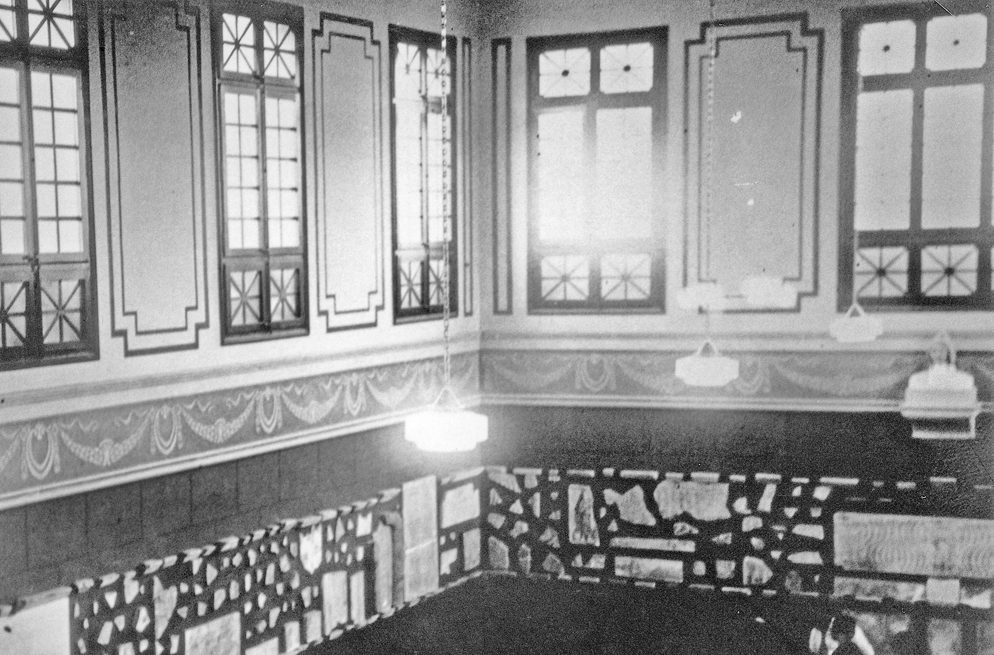
The central hall is certainly the most interesting. Its layout is very reminiscent of the Roman museums of the time (in particular the lapidary galleries of the Vatican Museums): all the epigraphs found in the necropolis, including the smallest fragments, are arranged on the central part of the walls. In the centre of the room, several wooden showcases held the smaller finds from the tombs.
The museum and its layout were very similar to many other archaeological museums in the Mediterranean (an example can be seen here). But its uniqueness today lies in the fact that it has never been modified: the life of the museum after the turmoil of the civil war of 1938-39 (in which the museum was emptied and the collection temporary evacuated) was very quiet and the layout was never radically changed. In the last 30 years, on the contrary, it has been closed and abandoned, despite the modernisation of the necropolis. For many years now, public access has been prohibited for security reasons. However, this has allowed the interior rooms to be preserved exactly as they were.
So what can we expect from the new incoming funds? That it will be possible to maintain as much of the original layout as possible, so that 21st-century visitors can live and understand the original experience of 1930s.
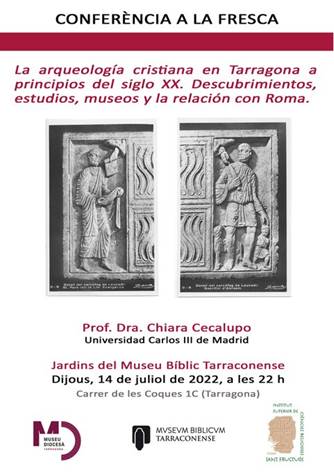
On 14 July, I presented some of the results of my research stay in Tarragona (as Conex-Plus secondment) during the conference “La arqueología cristiana en Tarragona a principios del siglo XX. Descubrimientos, estudios, museos y la relación con Roma” at the Museu Biblìc.
Many people attended this talk on the cultural and museographic relationship between Rome and Tarragona in the early 20th century. Thank you Tarragona for such a heartfelt participation!
In the last issue of the online Journal of Art Historiography (Number 26, June 2022) the is the most recent output of the Project LIT!
The study and dissemination of an iconography: banquet scenes from the catacombs of Rome to the facsimile catacombs of the nineteenth century
In general, the text traces the discovery and the history of two important banquet scenes from the Roman catacombs (from the Catacombs of Callixtus and from the Catacombs of Priscilla). It focuses on the fortune of these scenes in Europe. this fortune developed in their reproductions found in various churches and chapels up to the middle of the 20th century. This overview helps in understanding how the study and reproduction of a single iconography can contribute to a general reconstruction of the development of the discipline of early Christian art history.
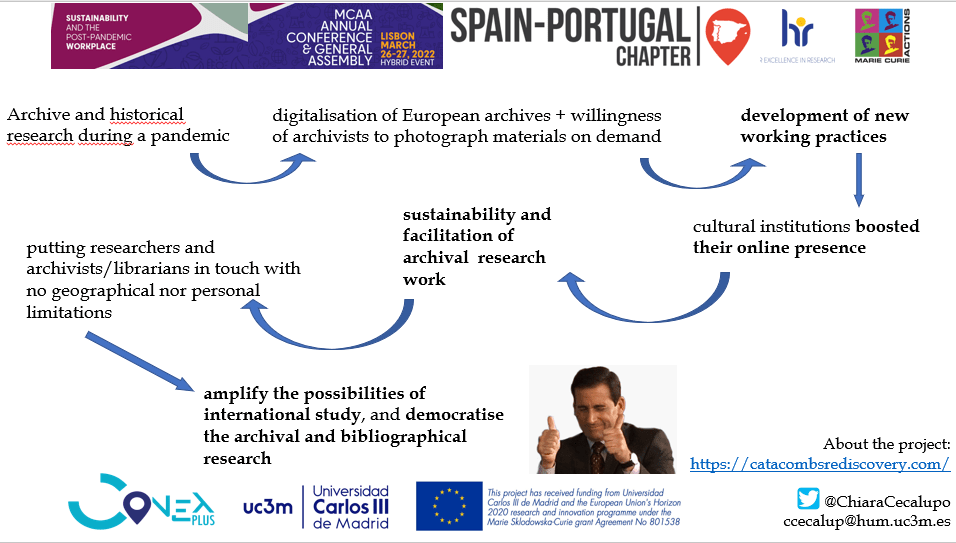
On March 26th, the project LIT! was presented during the online Poster Session 6 (Humanities and SPR) at the 2022 Marie Curie Alumni Association Annual Conference. The conference was held in Lisbon and online in hybrid mode.
This year’s theme was “Sustainability and the post-pandemic workplace”, and my contribution was titeled “Catacombs, facsimile copies and museums between the nineteenth and twentieth centuries: How digital archives and open access amplify the post-pandemic workplace of a historian”.
It was a good occasion to reflect on how the archive and bibliographic work of historians has changed due to the pandemic. I had the possibility to briefly present my poster with a 3-min speech and two slides.
The poster will be shared here in the following days.
It was an inspiring experience, the whole event was truly thought-provoking and it was great to connect with MSCA peers from all over the word!







 Catacombs rediscovery