The “Relazione” by Marco Antonio Haxach: the Maltese catacombs in 1610

Anyone interested in the state of the Christian catacombs in Malta at the beginning of the 17th century should read Marco Antonio Axiaq’s ‘Relazione della nuova e grandissima divotione’ (Report on the new and great devotion). Axiaq was a Maltese surgeon who wrote a long description of the island in 1610, divided into several parts, of which only three handwritten copies of different chronologies remain today, addressed to various notable figures.

Axiaq provides the first descriptive mention of the Maltese catacombs, saying that they were somewhat frequented by locals in the early 17th century, although they remained completely misunderstood. He saw them first-hand and interpreted them above all as historical proof of the “victory” of the Christian religion over paganism.

Axiaq was the first to provide the names of five Christian hypogea on the island (St Paul, Madonna della Virtù, Madonna della Grotta, St Agatha, St Venera), but he also hinted at the presence of many other sites scattered throughout Malta.

Given the importance of the text and the difficulty in finding it, we transcribe below the part on the catacombs as contained in the manuscript version of the National Library of Malta (NLM, Lib. 515).

Relazione della nuova e grandissima divotione introdotta nella Santa Grotta di San Paolo nell’isola di Malta con una breve raccolta delle cose notande et antichità di detta Isola scritta per Marco Antonio Haxach Maltese

NLM 515, ff. 5v-6

Sono in questa Isola oltre l’antiche Reliquie delli grandissimi edifici, grotte sotterranee tagliate con mirabile destrezza, e forma, ed alcune cellule, et altri usci e portine, che d’una grotte s’entrava poi nell’altra con diversi appartamenti e se ne ritrovano alcuni de loro che a questa guisa se scondono da mezzo miglio, e più, considerandole alcune persone curiose stimarono, che anticamente gli abitanti di quest’Isola in quelle habitassero, perché forse li terremoti erano spessi, e grandi, o perché il modo di fabricare case ancor trovato non fosse, non havendo considerato questi tali di quello che nelle grotte si scorge, il che io con dura fatiga molte volte ad alcuni di loro ho disingannato con mostrargli manifestamente esser sepolture, e non ad altro fine fatte, ancorché così belle, e con diversi lavori abbellite fossero poiché si vede, che nella maggior parte di loro nella medesima pietra vi è il cavo, quanto può stare il corpo umano, e d’altri cavi piccoli per li figliuoli, nelle quali per insino al dì di hoggi ossa e teste umane si ritrovano, ed alcune ancora con balate di pietra coperte, e dentro alcuni vasetti, piattini, lucerne d’ogni, fatti di creta, di diverse forme all’uso antico per il che io ho sempre giudicato, che gli habitanti antichi, come Gentili l’opinione di Pitagora avessero avuto della trasmigrazione dell’Anime, cioè che uscendo da  un corpo qual’all’ora moriva, inanzi che un altro s’introducesse visitando quelli corpi, nelli quali prima era stata cossì errante andava trovandoli cossì bene acconcie, e di quelle antiche ceremonie, che far si solevano, si compiaceva, tenevano che questa era la sua gloria, se bene poi questa, e tutte le altre vane et erronee opinioni di Gentili, non solo de’ Maltesi ma da tutti i fedeli furono abolite et annichilate mediante il lume della S. Fede Cattolica dal Nostro Redentor Gesù Christo imparata, e dai suoi SS. Apostoli e Ministri della S. Chiesa predicata, colla quale come suoi figli, e seguaci Cattolici ci confirmiamo.

11r

Ad imitazione di questa S. Grotta già Chiesa consecrata dal Glorioso S. Paolo successivamente li Christiani altre grotte coltivorno, che più comode gli parevano tanto in nome della SS. Madonna, come ce n’è intorno a questa Città Notabile alcune insin al dì d’oggi, com’è la Madonna della Virtù, la Madonna della Grotta incorporata poi dalli Padri di S. Domenico dove già fabricato lor Convento, così anche d’alcuni altri Santi, che di mano in mano dalla S. Romana Chiesa sono stati Canonizati, come S. Agata, S. Vennera e molti altri sparsi per questa Isola.

An account of an excavation diary from 1915

One of the most important tasks of an archaeologist on an excavation is to keep a diary in which to record daily work and eventual discoveries, a diary that thus becomes the main source of facts and details of an archaeological exploration of any kind. Keeping an excavation diary is a sort of obligation towards both the past that unfolds before us and the present and future generations that expect us to take care and attention to preserve the discoveries. Even the archaeologists of the past have not shirked this obligation: there are some diaries of excavations from centuries ago that are extraordinary texts (such as, for example, the eighteenth-century diaries of the discoveries of the Vesuvian cities, which take us by the hand on a tour of wonders to places that are still mythical today), but all of them, even the lesser-known ones, maintain a charm that those objects that act as a bridge between us and the thinking of our ancestors know how to have.

One of the most interesting diaries for catacomb archaeology is the excavation diary of the Swiss Paul Styger, archaeologist and scholar of Christian antiquities in Rome, professor of archaeology and religious arts in Poland and one of the protagonists of the potpourri of nations that was the horizon of archaeological science in Rome in the early 20th century.
Due to a series of fortunate circumstances (in particular, his proximity to the German circles in the Vatican that a century ago were carrying out archaeological research and museographic experiments in the Eternal City), Styger found himself -between 1915 and 1917- directing the excavation of the church of San Sebastiano on the Via Appia in Rome. This is a very important site: an ancient church that later became a Baroque jewel, but set on an extensive cemetery area.
Styger’s excavation is particularly concerned with investigating the area directly underneath the nave and the Platonia, with the intention of also tracing the tomb where, according to a tradition invented in the Middle Ages, the bodies of Peter and Paul extracted from their original tombs in the basilicas of the same name would have been temporarily protected.

Source: P. Styger – Archaeologist at Rome and Professor at Warsaw
By Elzbieta Jastrzebowska

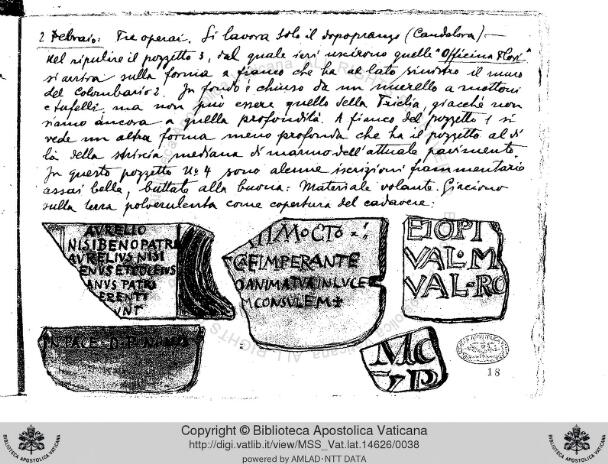
The diary is a little gem. It starts on 8 February 1915, ends on 27 February 1917 and is a mixture of text and pen illustrations, later coloured in watercolour. It is a true snapshot of what it must have been like to manage an excavation at the time, with constant inspection visits by the Ministry of Education and the Commission of Sacred Archaeology, fluctuating relationships with the workers, and more or less long interruptions for various reasons. The most beautiful feature are of course the drawings, not only of the individual objects found, but also of some of the structural situations found during the excavation.


The diary arrived in its current location in the Vatican Library after Styger’s death in 1939, by his own will, after having been missing for a while. This is confirmed by a letter pasted at the end of the manuscript, in which his sister refers to a certain Gerke who will help her find this diary and donate it to the library. At the end of this letter, an anonymous hand adds, in pen, that he received the diary on 31 May 1939 and adds: ‘And Gerke, if I am not mistaken, is the Nazi whom those of the Commission of Sacred Archaeology allowed to examine the excavations of the catacombs with all freedom, while they would have obstructed the Styger’. A small note full of implications, which relates to the strong relations between archaeological bodies and certain authoritarian political parties in the 1930s and 1940s, an issue that archaeological historiography has yet to come to terms with.
As an appendix to the diary, there are some typed sheets, with pencil-drawn illustrations, in which Styger lists pieces found in various catacombs during the 1920s, which were then lost, either because they were left on the site and treated carelessly, or because they were not handed over to the Vatican Museums. This list, too, is a singular evidence the practices of preserving artefacts: not a few objects were damaged by handlers who had ‘tried to tear them off’, or because they were left ‘without any precautions to save them’.

Christian catacombs of Sousse – Tunisia. Some information and images

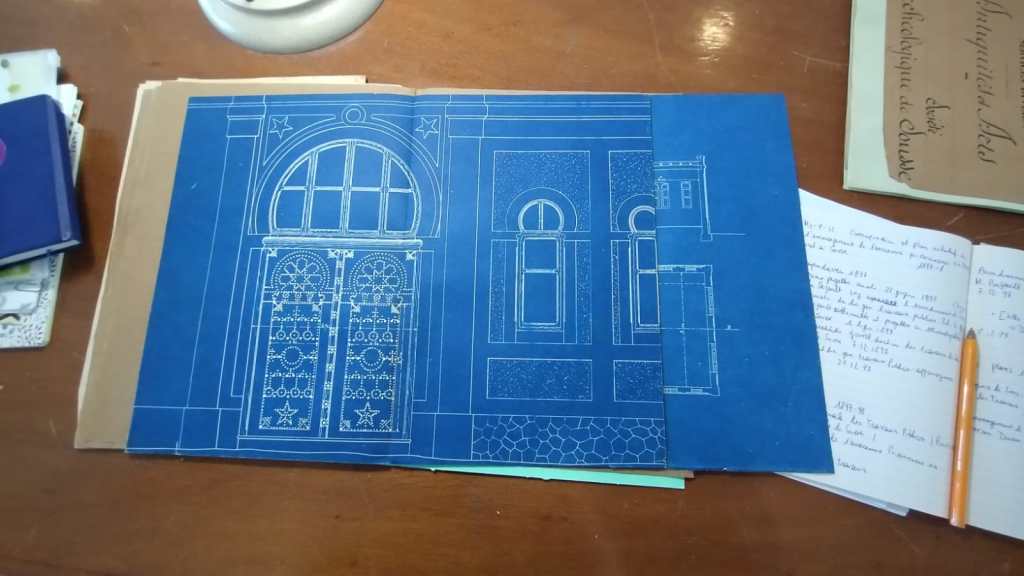
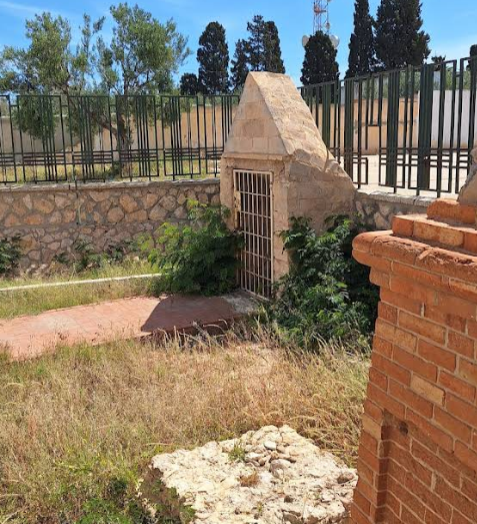
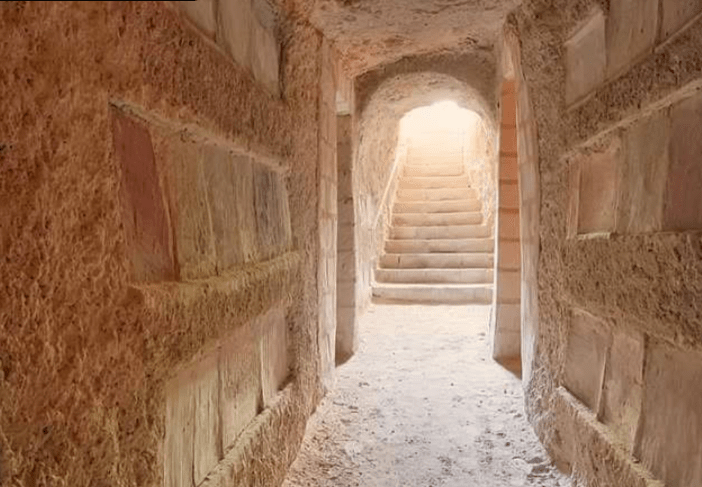
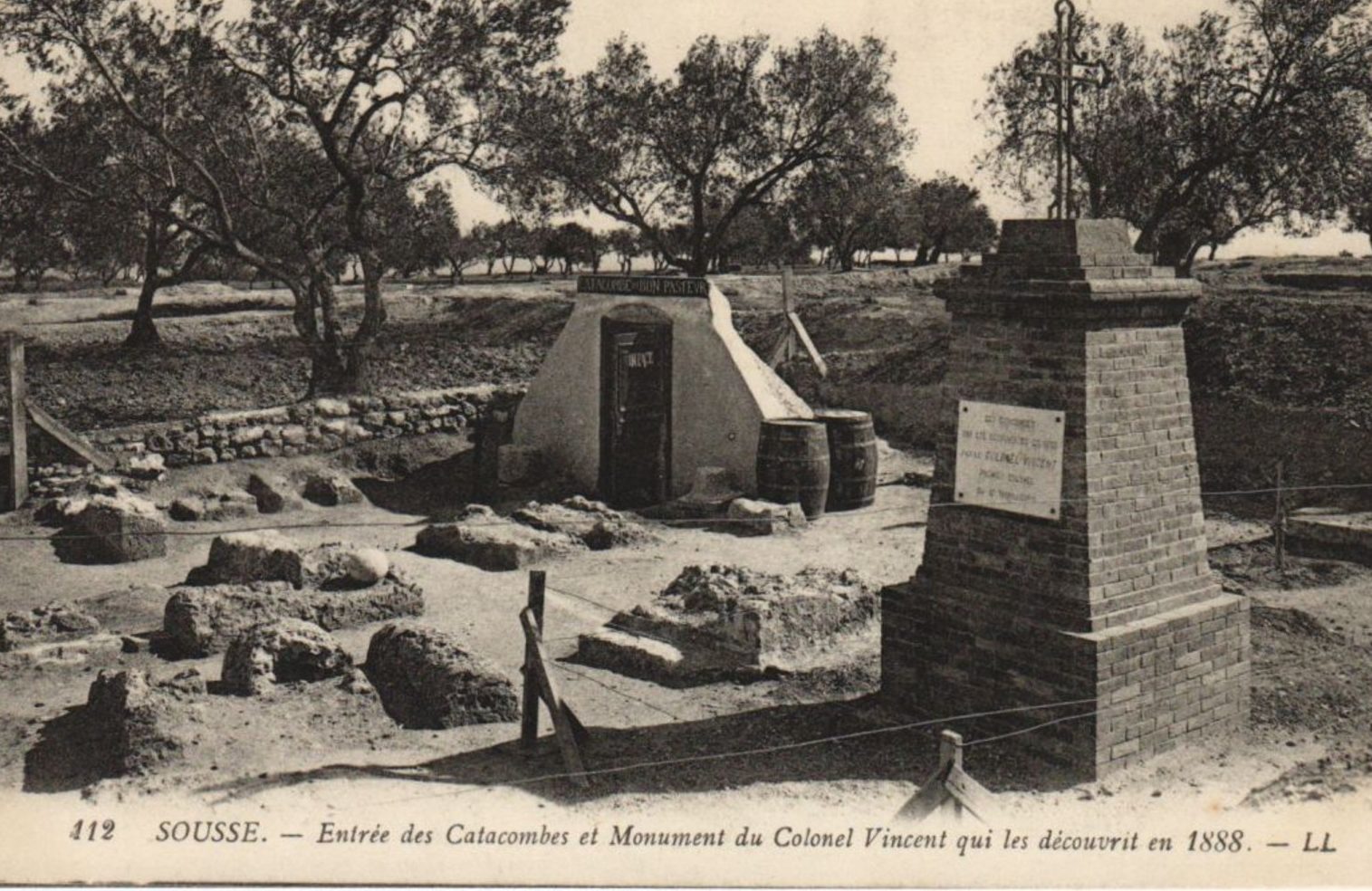
At the end of 1880s, a colonel of the 4th Algerian Rifle Battalion stationed near the Tunisian city of Sousse, the ancient Hadrumetum, accidentally discovered a catacomb gallery, sparking the interest of local society in Christian antiquities.

It was only at the end of 1903, however, that Abbot Leynaud and doctor Carton managed to receive funds and permits to undertake excavations, thus uncovering what became known as the Catacomb of the Good Shepherd, the first and largest Christian catacomb found in North Africa.

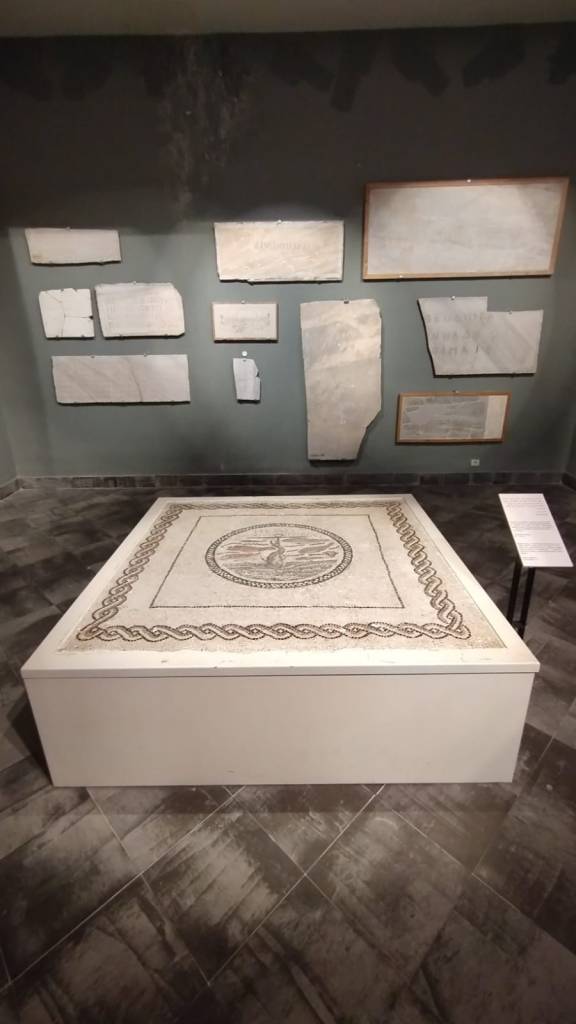
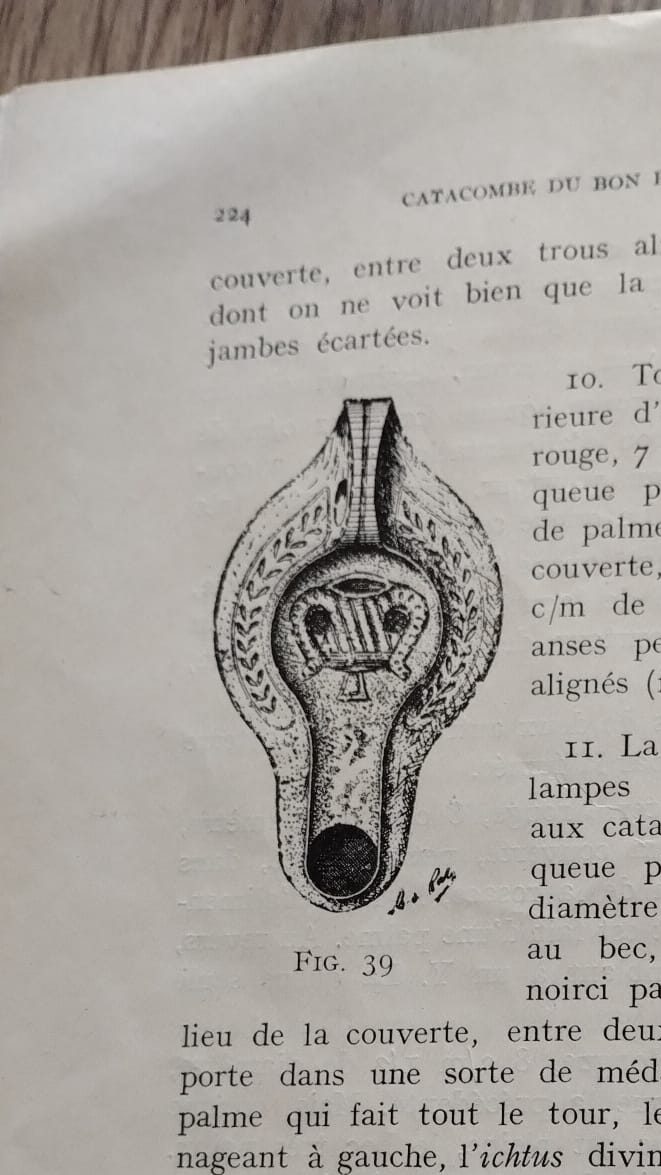
This was the starting point of a compelling story of discovery that, through ups and downs, led the French abbot to recover no less than five catacombs in the Sousse area. This led to a wider knowledge of the Tunisian catacombs from an architectural point of view (with the production of the first maps), and of the materials found, particularly funerary inscriptions and oil lamps.

These excavations brought visitors and tourists interested in Christianity to the ancient Hadrumetum for the first time. This was precisely one of the intentions of the abbot, who is also strongly committed to promoting the site from a touristic point of view.

Leynaud’s work was the first and last systematic excavation of the catacombs of Sousse, which still remain intermittently visitable today and still tend to be little known.

Anyone still interested in this story today will find all the historical and archaeological details in a series of reprints and publications of the seminal volume ‘Les Catacombes Africaines’, still the only real handbook on the catacombs of Sousse.

Why were catacombs explored?

Having briefly looked at how the catacombs were explored in early 17th century, let us consider why they were explored, apart from walking to encounter new areas of the monument.
The activities that took place underground tended to be that of registering the monument and extracting finds from it.
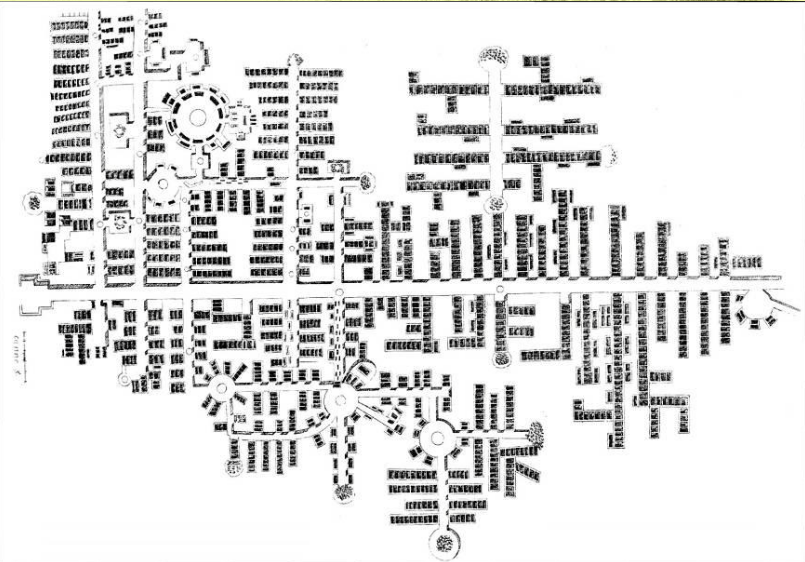
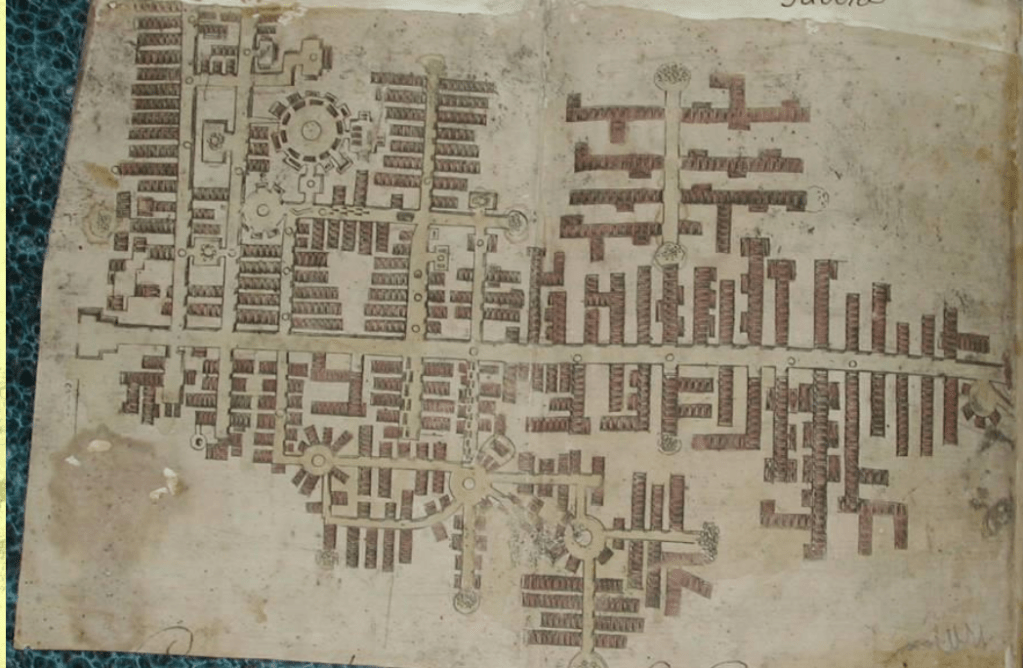
Registering the monument involved drawing the plans, an activity for which there were specialised people, of whom we know some names and some products, in particular those published in several books.

Plans of the catacombs on Via Nomentana in Rome published in 1632 in Bosio’s Roma Sotterranea


Alongside these, however, there were also more private, “homemade” maps, used by explorers for their personal exploration, which were never published but were used for underground visits. Of this maps, obviously, we have very scarce information.

Specialist artists were employed to copy the paintings seen in cemeteries. Copyists accompanied explorers on underground expeditions. The copying phase in catacombs was the most uncomfortable working situation, with insufficient light and space conditions. The subsequent stages of drawing arrangement and colouring took place in the studio.

Early 17th century copy of a painting from the Domitilla catacomb in Rome.
Vallicelliana Library of Rome

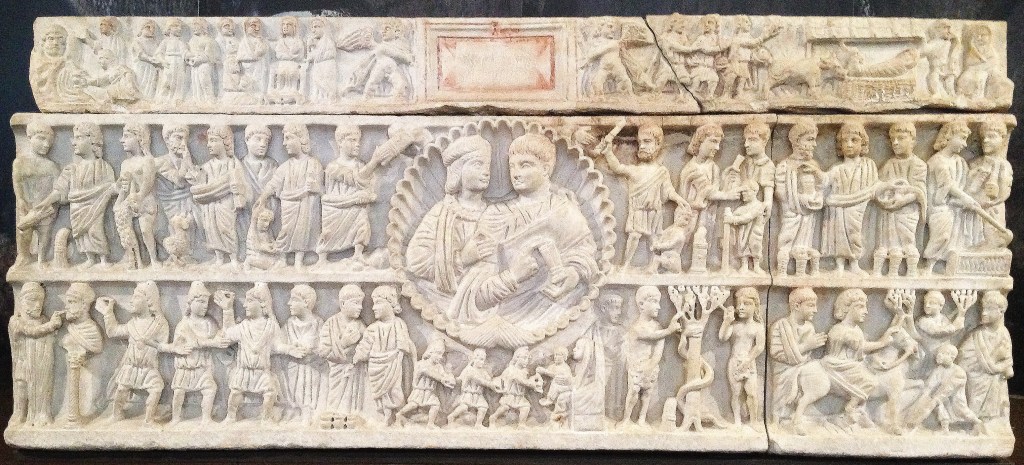
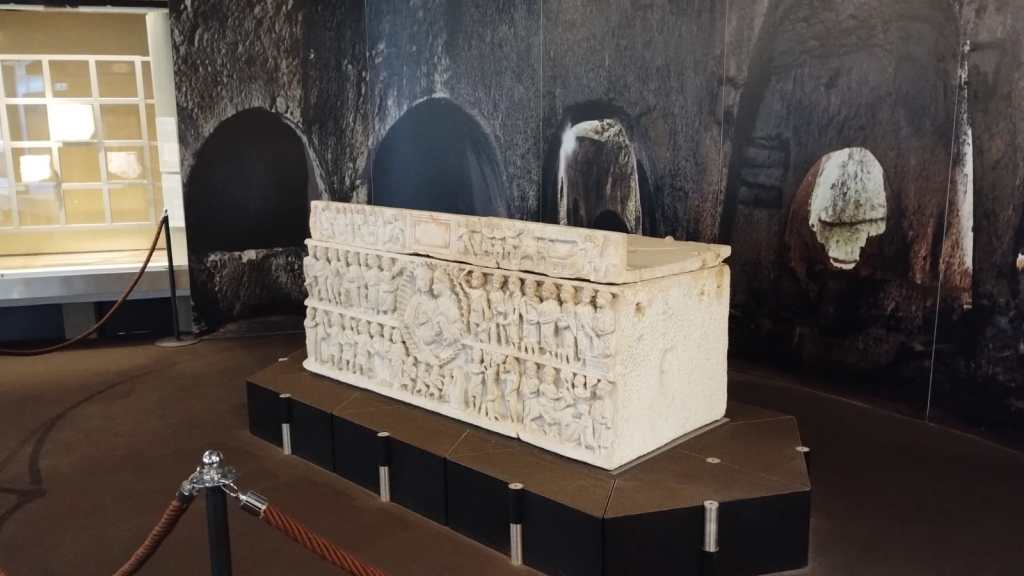
Another of the occupations of the groups of explorers was the extraction of archaeological objects, especially epigraphs, as well as anthropological remains excavated with the intention of making relics. The majority of archaeological finds ended up in the private collections of the explorers and the main collectors in Rome: sometimes explorers became a sort of merchant of antiquities for the antiquarian market. In particular, sarcophagi and inscriptions from the catacombs ended up since the beginning of the 16th century, as decorations in private houses.

The second group of objects found within the catacombs and removed from them are the anthropological artifacts, extracted from the tombs specifically to create holy relics. But that is another story….

How were catacombs explored?

Exploration of Christian catacombs was a widespread and very fashionable practice in Rome between the sixteenth and eighteenth centuries. It involved Roman population, regardless of their social classes, as well as scholarly and ecclesiastical groups from outside Rome, generating a huge wave of interest in Christian catacombs that revolved in a “race” for catacomb exploration.

From a technical point of view, the ways of exploring the catacombs remain the same throughout the centuries. And the problems due to the architecture of the catacombs also remain the same: the darkness, the inconvenience of access, the labrinthic structure.
The theme is, therefore, universal and serves a reconstruction of catacomb explorations over the centuries.

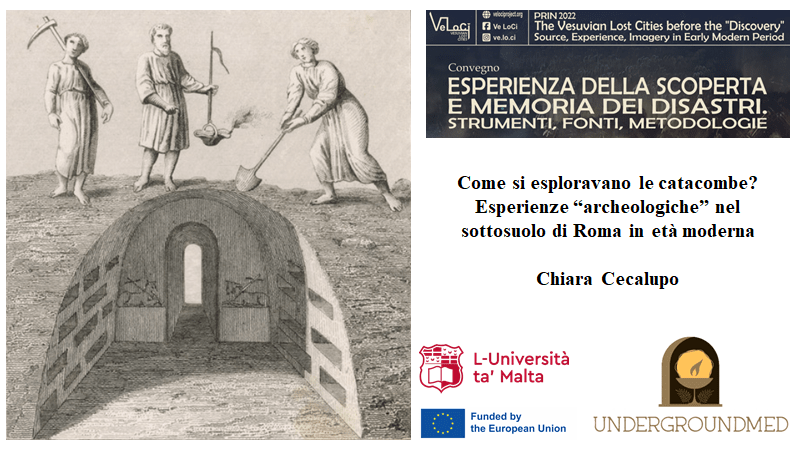
An answer to the question “how were the catacombs explored?” was given during an interesting conference in Rome in November 2024 (Here is the link: https://www.velociproject.org/en/events/rome24 )

The catacombs were accessed through random openings in the countryside, or specially dug ones, from which one descended and from which one exited along with the finds recovered underground. It was therefore necessary to make them wider; hoes and spades were used, as well as ladder. To make one’s way through the tunnels without fear of losing one’s way, long ropes were used that were tied to the entrances and then uncoiled as one went along, or one could mark the points at which one turned at each fork in the road. Then of course one had to use flashlights and candles, in such quantities that they could last for days.

Once inside the catacomb, therefore, one proceeded mostly on all fours, or by crawling, or enlarged passages by excavating the tufa.

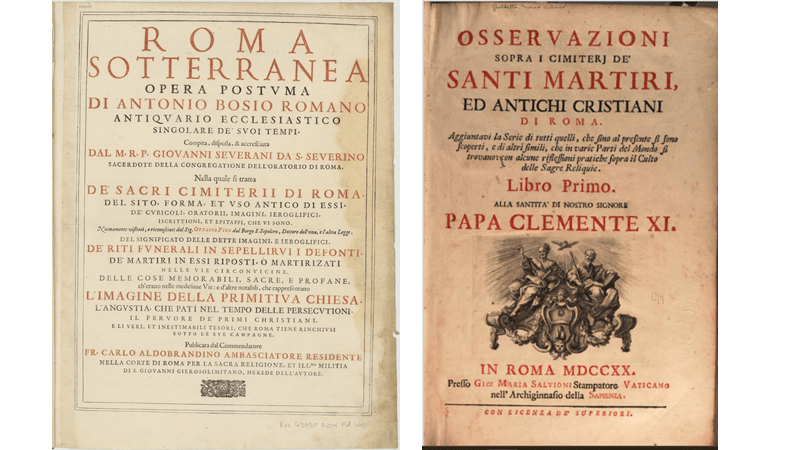
“Roma Sotterranea” (1630) and “Osservazioni sopra i cimiteri de Santi Martiri” (1720)
are the main sources of information for this topic.

Then, once inside the catacomb, one would proceed to walk around to find new areas and discover new parts of the monument, especially galleries with closed tombs.

But aside from basic exploration, what was being done in the catacomb? Coming soon…

An incredible museum for an incredible Christian cemetery: the paleo-Christian Necropolis of Tarragona

The Catalan city of Tarragona is one of the central places for the history of Christian archaeology in Europe and for the history of museums of Christian antiquities.

The early Christian Necropolis of Tarragona (3rd-5th centuries AD) is one of the most important and extensive necropolis of the Christian ancient world, with more than 2,000 documented burials of many different types. The necropolis stretched around a very important martyr centre, the funerary basilica where the remains of the three most important local martyrs rested: the bishop Fructuosus, and his deacons, Augurius and Eulogius. The three saints were burned alive in the arena of the amphitheatre of Tarraco in the year 259 AD.

Their remains were collected and buried in the outer area on the banks of the River Francolí. There, at the beginning of the 5th century, a basilica dedicated to the memory of the saints was built in the area of their tombs. In this same period, another basilica up northern was built and this area became an important Christian centre until the 7th century.

Current exhibition on site of the most important findings

But what interests us the most is the incredible musealisation of the area made in 1929-30. The necropolis was accidentally discovered in 1923, and in 1926 Monsignor Joan Serra i Vilaró took the lead of the excavations. He was an archaeologist who was well known for his documental rigour and for his desire to preserve and disseminate the remains. So in 1930 he opened a museum to explain the Early Christian Necropolis of Tarragona, which is, so far as we know, the first monographic museum in Spain dedicated only to Christian archaeology.

The museum and the necropolis today

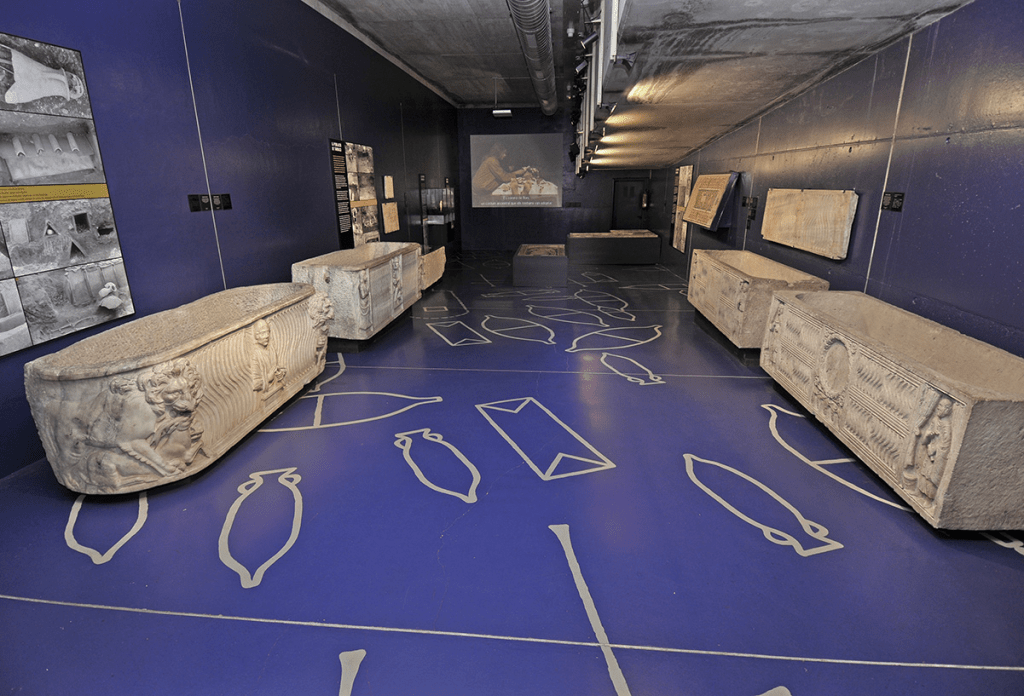
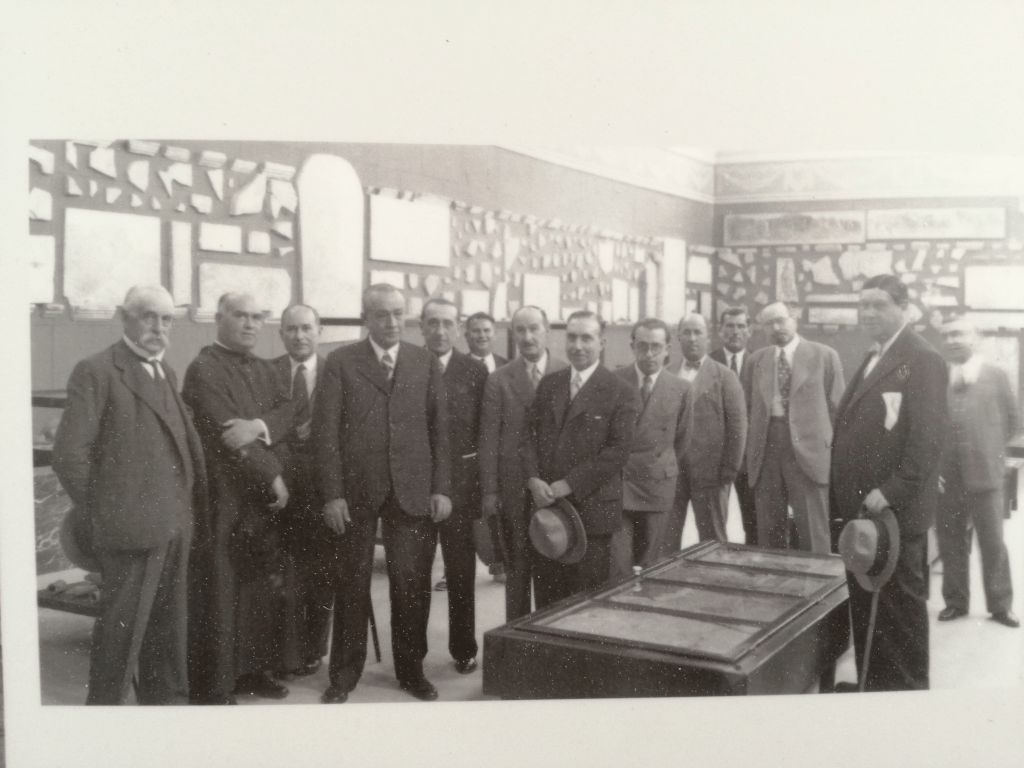
We have many old photographs of the museum and it is still preserved, although not open to visitors. It was conseived with features very typical of early 20th century museology. The building, in classical style, had a perimeter corridor where the gracious stone sarcophagi were displayed. The central hall had display cases in the centre and thousands of epigraphs on the walls: this was the most important epigraphic display in the Italian style on the Iberian peninsula. In addition, it was constructed in such a way that the visitable underground hall could serve to preserve parts of the necropolis.

We are going to dig deeper in the history of this incredible museum in the following weeks. Stay tuned!

The central room of the museum in 1930s

Textual sources for the rediscovery of the catacombs – pt. I

In the process of historical reconstruction of the discoveries of the Roman catacombs between the sixteenth and nineteenth centuries, the available sources are many and of very different types.

It is actually very convenient to know some alternative textual sources which are useful for a correct historical reconstruction of the events. Among these are obviously newspapers, which report the news ‘in real time’ and with exact dates. In the contemporary press, one can find various references to the discoveries of the catacombs, especially in Rome, accompanied by numerous social and cultural information.

The Diario Ordinario -also known as “Chracas” after the family that printed it, and from 1808 as Diario di Roma- was a periodical newsletter printed in Rome from 1716 to 1848. It was published weekly or bi-weekly, usually on Saturdays. The first part of each issue contained all the main news of the city of Rome, especially concerning papal engagements; the second part offered news from correspondents in the main European cities.

The Diario Ordinario is full of detailed information about events in the city of Rome, and it is not uncommon to find references to discoveries made in the catacombs. In particular, it is very useful for tracing extractions of bodies or relics and similar events with both historical-archaeological and religious implications.

Such an interesting and useful source is actually long in consultation. The complete series is available to scholars in the Sala Stampati of the Vatican Library and, recently, in a new online version on the website of the Biblioteca Casanatense in Rome, at this link.

Here is a small sample of how information about the catacombs of Rome can be found in a volume of the Diario Ordinario:

Rev. Victor Camilleri and St. Agatha’s – by R. Saliba

***We are happy to share a biographical remembrance of Brother Victor Camilleri and his work on the enhancement of the catacombs of St. Agatha in Rabat (Malta), written by our friend Raymond Saliba (Cathedral Museum, Mdina). Thank you Raymond!
Follow Raymond’s work at http://www.facebook.com/kollezzjonist/

Rev. Victor Camilleri was the pioneer in making the historic complex of Saint Agatha in Rabat (Malta), what it is today. Born in Senglea on October 13, 1933, he entered the Missionary Society of St. Paul (MSSP) at a young age and became a priest on April 2, 1960. He passed away on the 15th of December, 2011. 

The St. Agatha complex is located on the outskirts of the old capital city, where we find the largest amount of catacombs on the Maltese islands. Along with the Pauline catacomb complex, St. Agatha’s offers a kaleidoscopic of pagan; Christian, and Jewish hypogeous, along with a unique underground chapel that included an altar decorated with paleochristian frescos. This historic complex is made up of the church and crypt of St. Agatha; the convent and motherhouse of the MSSP; the SPCM collage; St. Agatha’s Museum and many underground cemeteries. 

Fr. Camilleri, who from an early age was interested in local history, find much to be drawn to when he joined the religious community at St. Agatha’s, particularly, archeology. During the time of his formation to the priesthood, together with some of his colleagues, in his spare time, he embarked on the cleaning of several small hypogeous discovered under the convent. Although there has always been part of the catacombs attached to the crypt accessible to the public, most of the underground complex we see today was closed or not even excavated. It was also Fr. Victor who discovered several 5th-century frescos on some Christian tombs. 

From 1978 onwards, Fr. Camilleri became part of St. Agatha’s community again. At first, he began to think seriously about setting up a museum to collect and conserve objects that were in the personal collection of Mons. Joseph de Piro, the Society founder, as well as many objects which belong to the church of St. Agatha. In 1985 he assumed the curatorship of both the church and museum after he was already doing tours of the catacombs. The clean-up of small catacombs, which were found under the new SPCM collage, also continued under his direction. Apart from the daily work as a priest and curator, he indulges in the study and writing about this important complex and its treasures. He published four books and numerous articles in local journals and newspapers, and also planned the said complex, which covers some 4,100 square meters. 

Raymond Saliba

Visual sources for catacombs explorations in the 16th century – pt. I

As is often mentioned on this site, the importance of visual sources (signatures, drawings, maps, watercolour copies of ancient paintings) in the history of the discovery of Christian catacombs is incredible.
These sources assume greater weight especially for the initial centuries in the history of Christian archaeology, before the advent of photography.


Among the most famous scholars who proceeded massively to copy the paintings of the catacombs they saw in their explorations is the Andalusian Alonso Chacón (1540-1599).

Chacòn can certainly be considered an important ‘chronicler’ of the state of catacomb paintings in the period in which the scholar lived in Rome (1567-1599).This rich heritage of early Christian iconography can be found in the manuscripts of the Vatican Library Vat. lat. 5409. This work, which has never been published, contains precious drawings of catacomb paintings commissioned by the Dominican to several artists and referable to the pictorial apparatuses of the cemetery of via Anapo and the catacombs of Priscilla, Domitilla and the complexes of the via Appia.

From an artistic point of view, the watercolour copies of the paintings commissioned by Chacón do not reflect the original style of the paintings, as they are totally executed in a strongly Baroque style. Even the scenes are sometimes misrepresented.
In spite of these objective limitations, Chacón’s drawings remain a fundamental archaeological testimony (also for their descriptions and captions), as well as an absolutely enjoyable artistic work.

The Vat. lat 5409 manuscript is fully available in digital format on the Vatican Library website, on this page, which we highlight because of the usefulness of having such sources available digitally worldwide.

Two essays on Giovanni Severano, explorer of the Christian catacombs in Rome

Among the many personalities involved in the study of the Roman catacombs in the first half of the 17th century, Giovanni Severano (priest of the Oratory of San Filippo Neri) is one of the best known but at the same time least understood.

Recently, some studies have been carried out to re-evaluate his figure. Over the centuries he has in fact been considered only as the editor who completed Antonio Bosio’s Roma Sotterranea, left unfinished at the author’s death in 1629 and published by father Severano only in 1634.
Extensive studies have shown that, in the process of completing Roma Sotterranea, he personally explored many areas of the Roman catacombs to confirm and expand Bosio’s descriptions. For example, there is ample evidence of his explorations of the catacomb of Saints Marcellinus and Peter on the Via Labicana. Here, he explored many areas that had not been recorded by Bosio.

Some traces of his explorations and, in particular, some drawings of Christian antiquities commissioned by Severan can be seen here.

The most up-to-date biography of Giovanni Severano can be found here.