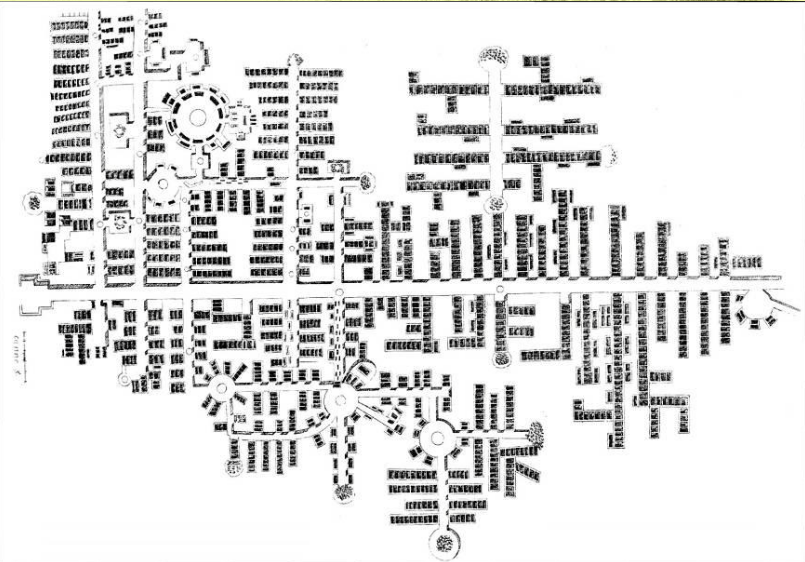
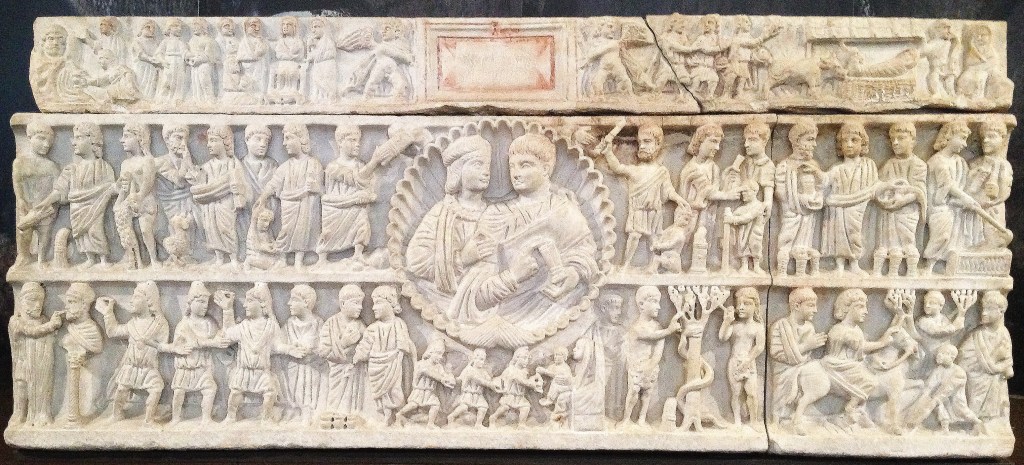
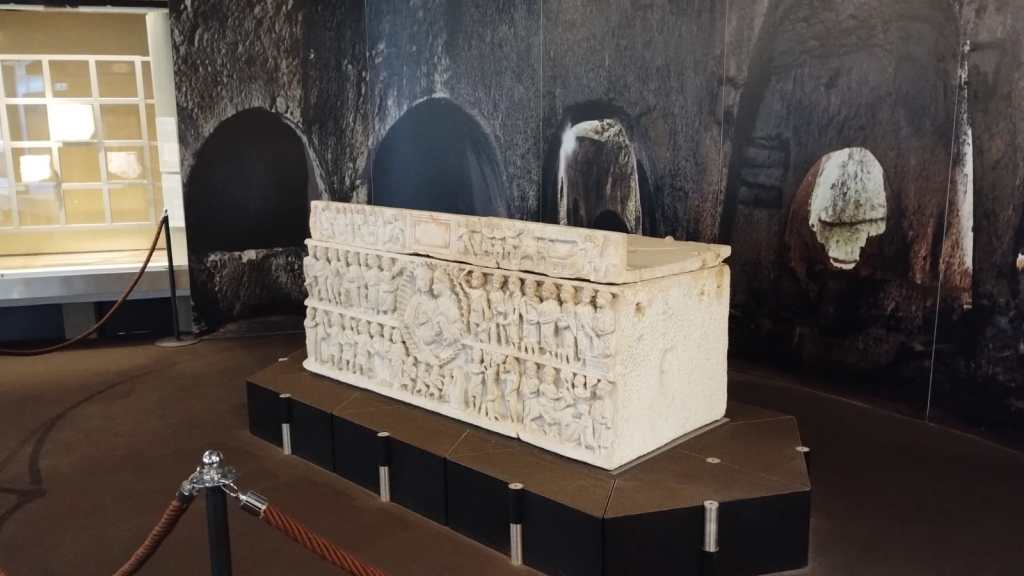
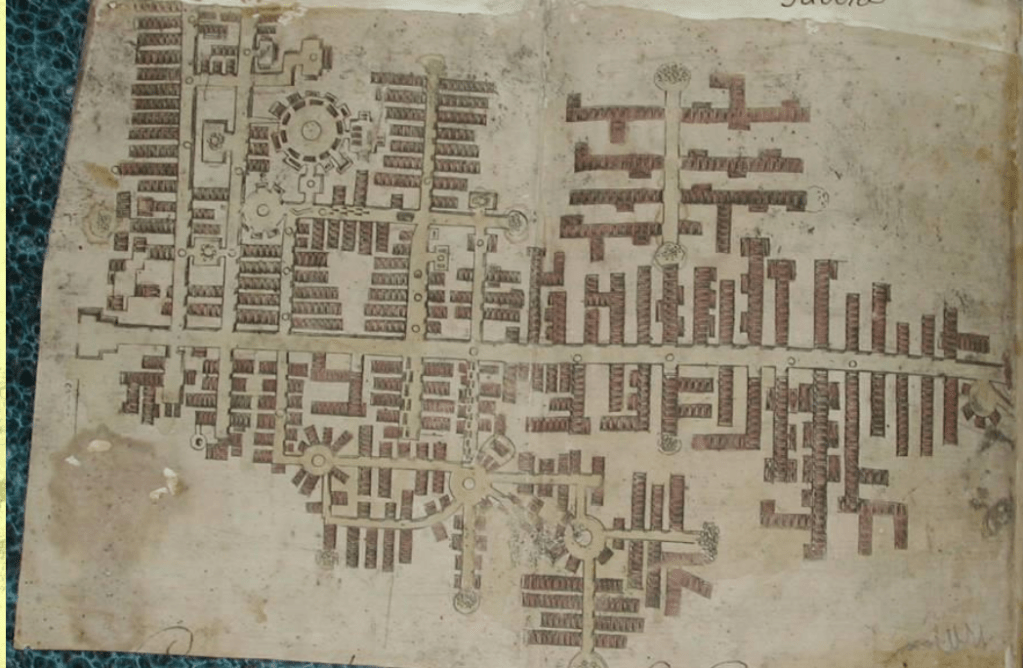
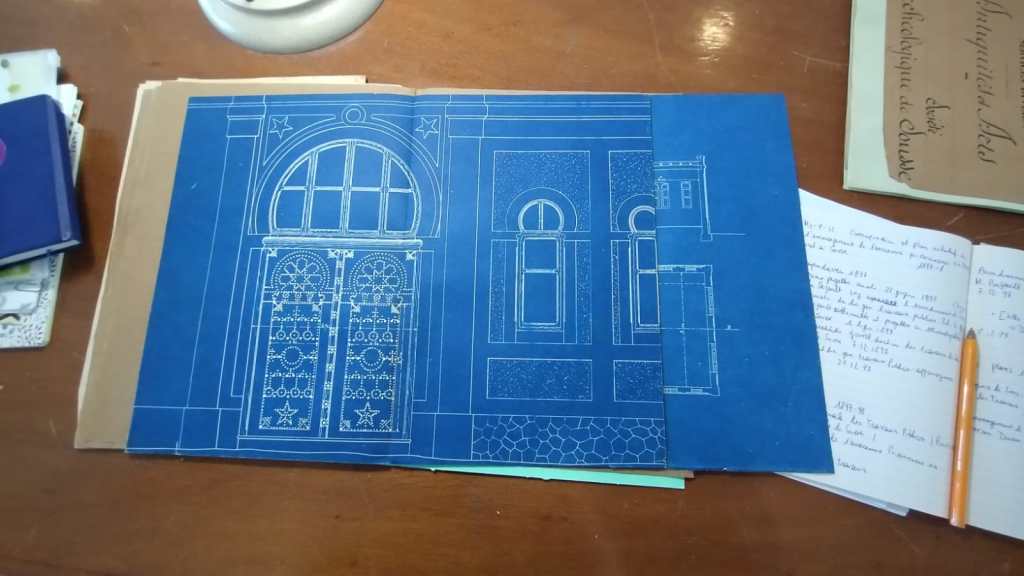
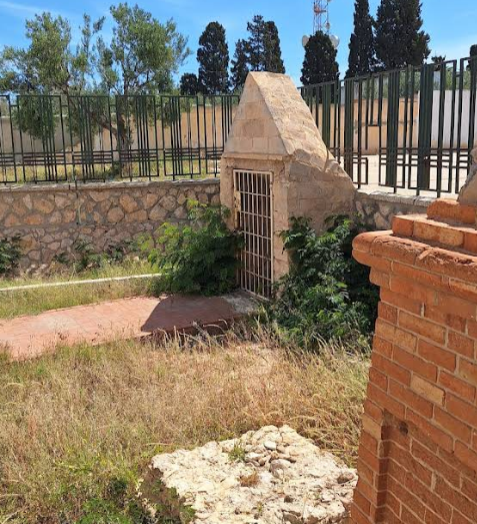
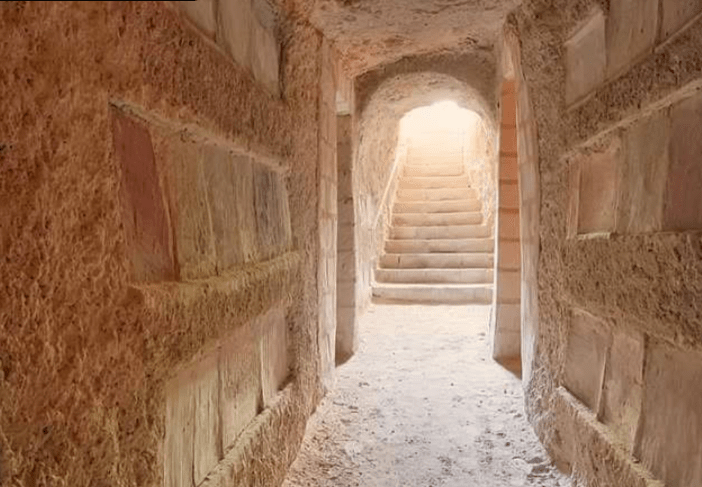
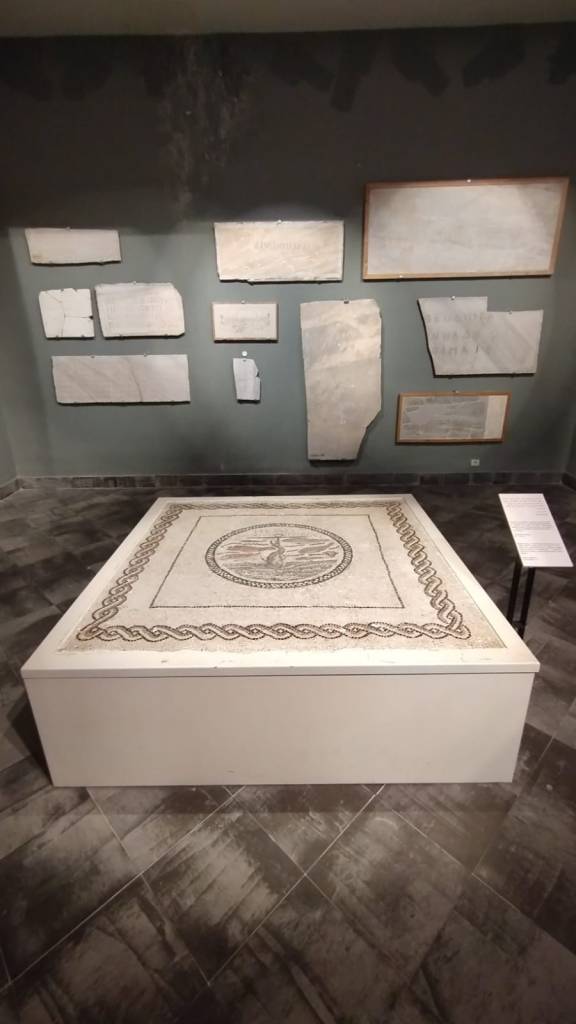
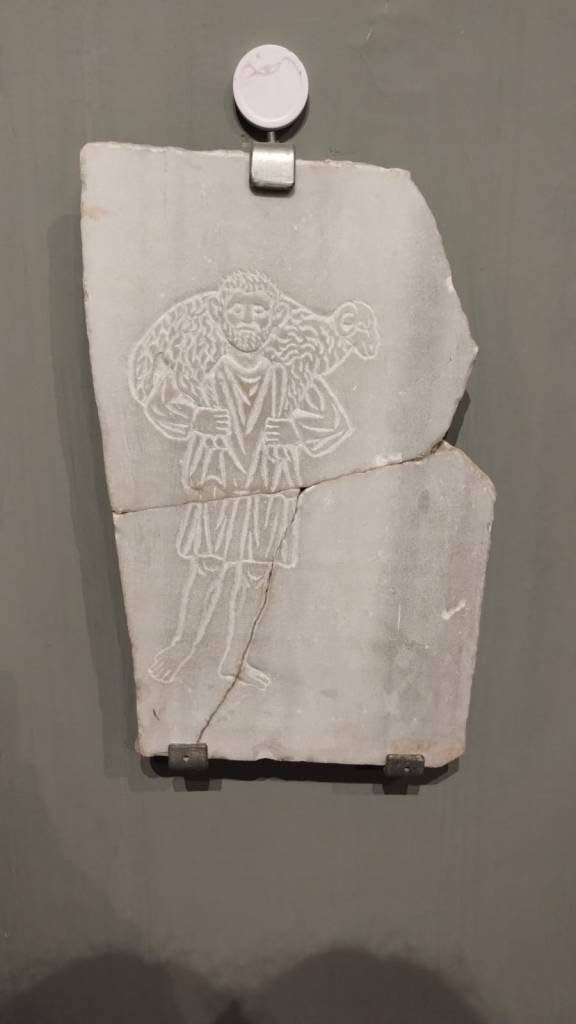
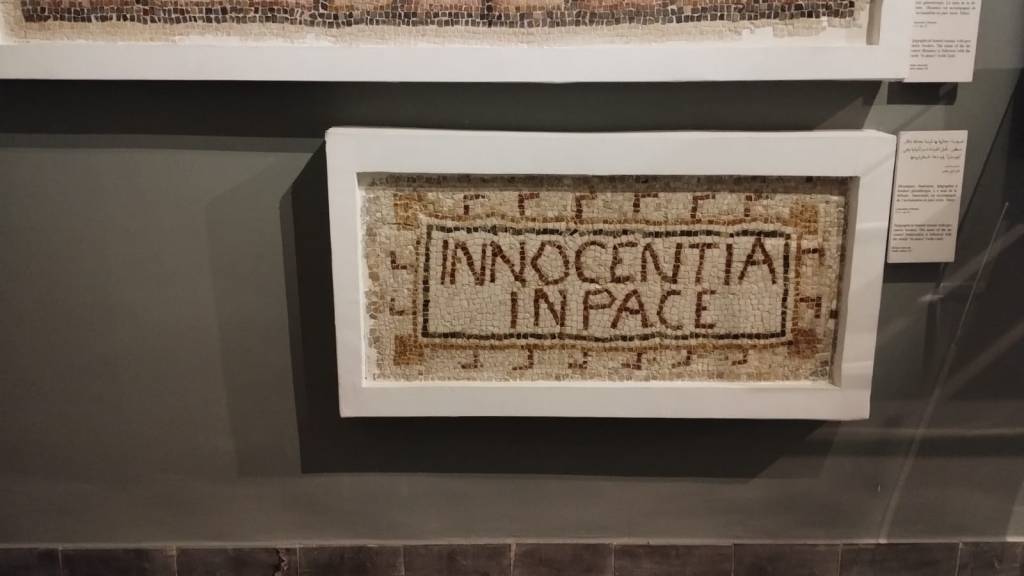
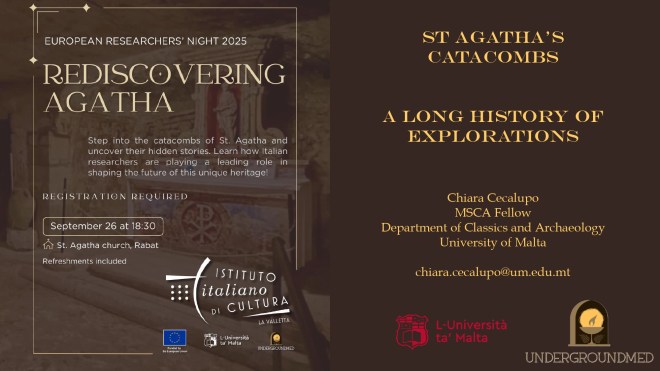
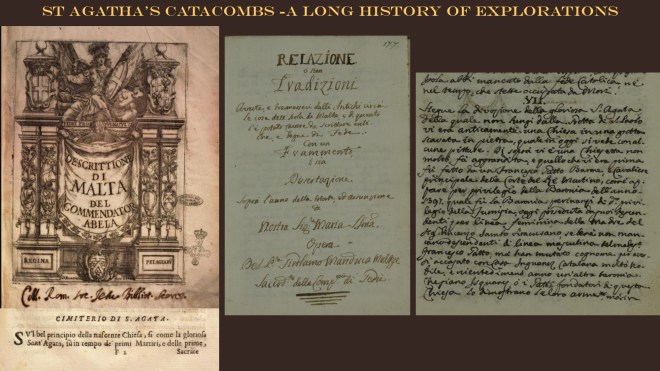
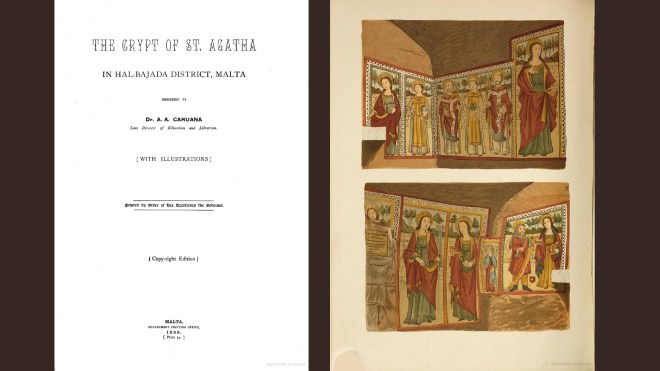
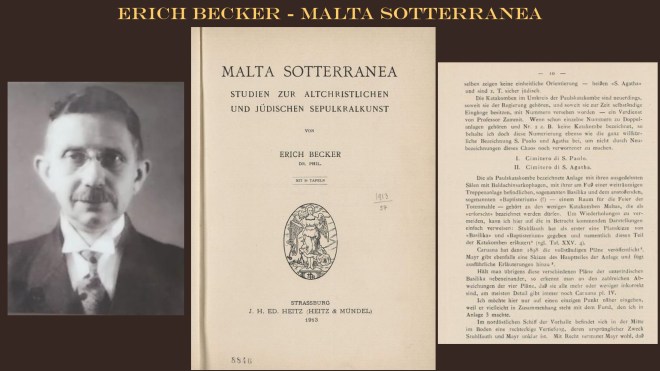
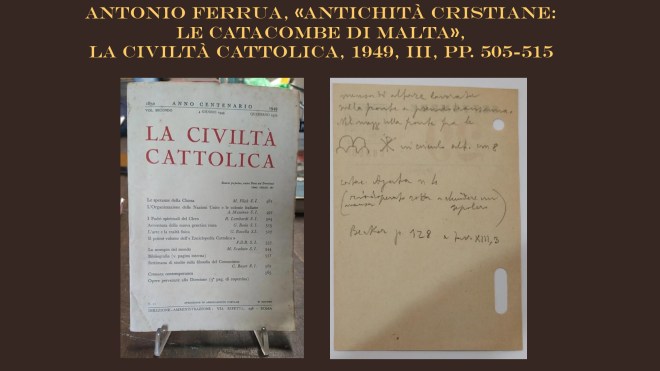
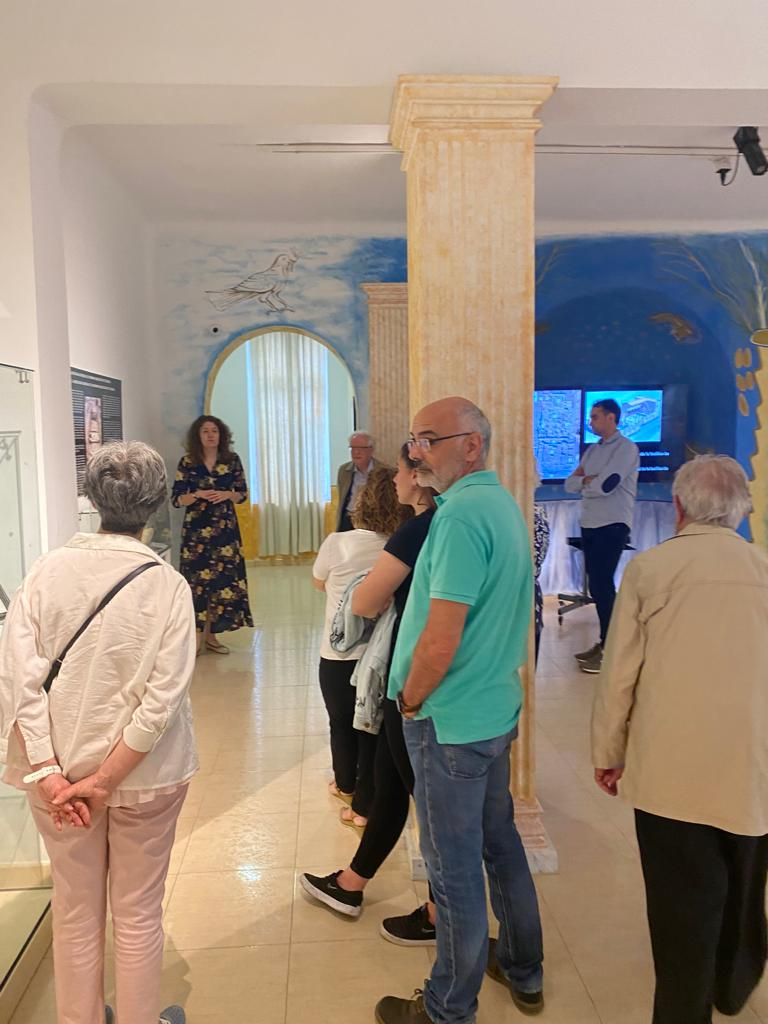
The “Rediscovering Agatha” was a success! It was organised at St Agatha’s Museum, with the cooperation of the Istituto Italiano di Cultura. During the conference, we offered an overview of the rediscoveries that took place in St Agatha’s catacombs during the last centuries and then the rebranding of the catacombs and museum was presented. After a light refreshment, attenders had the possibility to visit the crypt with a special guided tour.
The National Art Museum of Catalonia overlooks Barcelona from the top of Montjuïc Hill. The neoclassical building, created as architecture for the 1929 World’s Fair, houses a late 19th-century collection joined by recent acquisitions of works from Catalan modernism, Novecentism, communism, and republicanism.
The most impressive part, however, is the important section of Catalan Romanesque painting. It consists of wall paintings of 12th-13th century churches, torn apart and then brought back to the museum recreating apses and naves to recall the original architecture and the measurements of spaces and volumes. The colors of the original paintings stand out against the neutral grayscale background of the reconstructed walls, and give an impressive and overwhelming feeling. The historical issue is central: bishops, chaplains, conservators setting up detachment and reconstruction practices in the museum: they are the ones responsible for this massive centuries-long effort to protect the paintings from abandonment, sales, expatriation and civil war. Rural churches are stripped but museums are born and populated. And the question of their presence in the museum is central: their connection to their site of origin has been destroyed, but their placement in precise structures that recall their original location serves to stitch up this narrative, to not turn these paintings into paintings with only aesthetic value, to keep them in touch with their liturgical and religious essence.
Seeing these large reconstructed apses is a unique thrill: Catalan Romanesque in a museum is too important an experience for museology to go unnoticed.
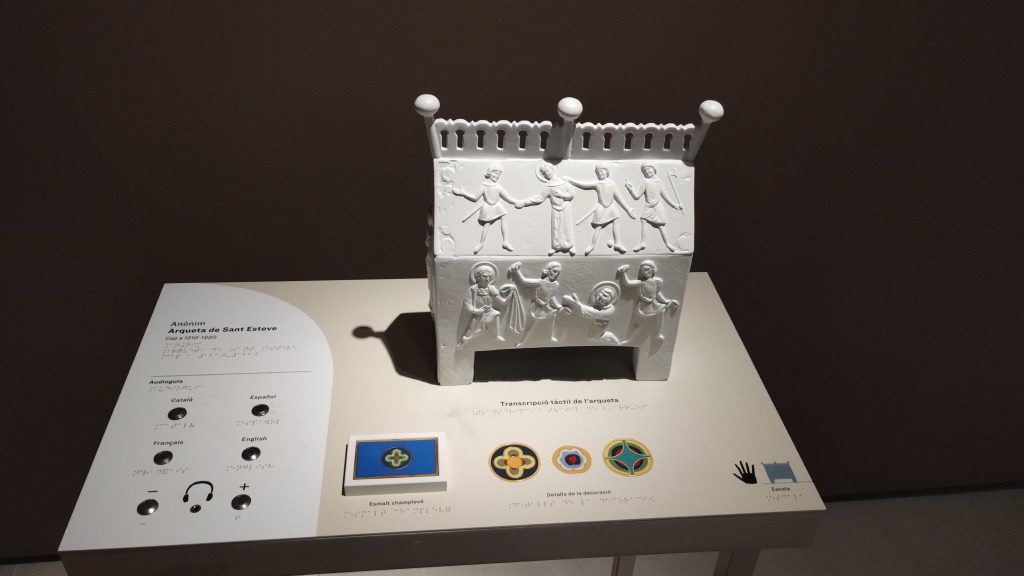
Even the didactic and explanatory apparatus is impressive. First of all, the process is explained, which is what is surely of most interest, and which is explained in a rotating three-language video, with the procedure divided into four sections for each of the three phases-tear, restoration, new support-showing original images of a 1978 intervention. In the tour there is the possibility to see the back of the structures of the apses, thus understanding the chronological and technical difference between the various specimens. The windows are closed with evidently removable slabs. To show the ancient graffiti on the paintings, a lighting system is set up to highlight and magnify them in rotation. An educational workshop with music and puppets is provided for children, and there are indeed many children drawing in front of the apses. Also notable are the educational aids for the blind: panels of the right height, reconstructions in three dimensions, braille, plaques with surveyed contours, beautiful indications of scale and techniques (e.g., the reconstructed enamel plaque).
Absolute contemplative pleasure of polychrome wooden sculpture, not as lively, varied and numerous as at Vic’s Episcopal Museum but of the highest level. Some 12th-century crucifixes in pure art nouveau style, marvelous on their white backgrounds, the light directed on them and, behind, the stark and despairing shadow of the crucifixion. There are also many altar fronts, displayed on the wall as paintings or reconstructed with their own cross and canopy.
The mosaic heritage in catacombs is very limited and concerns ‘three species of mosaic works’: the floors, the slabs (marble or fictile) closing the tombs decorated with series of tesserae, and finally the wall mosaics decorating the arcosolii or the walls and vaults of the cubiculi. I will not refer to catacomb mosaics in general, but focus on a few cases and their collecting fate.
The history of mosaics in museums for the first centuries of the Modern Age has some shadows. For the 16th century, for example, we have little information on pieces of Roman floor mosaics in collections, but I would like to point out that in Chapter VI of Giorgio Vasari’s Vite, Del modo di fare i pavimenti di commesso, in the chapter on architecture (and not on painting…) he comments on the way Roman mosaics were executed ‘come se ne vede in Parione in Roma, in casa di messer Egidio e Fabio Sasso’. Moving on to the 17th century, in the collection of Cardinal Maximus, there was a ‘Stanza ultima de Musaici’, there was a special room adjoining the library, dedicated precisely to the mosaics in the collection. Even in the library itself, however, there were mosaics.
During the 17th century, coinciding with the extensive underground discoveries, the existence of mosaics in the catacombs was noted, and they too entered collections and the antiquities market.
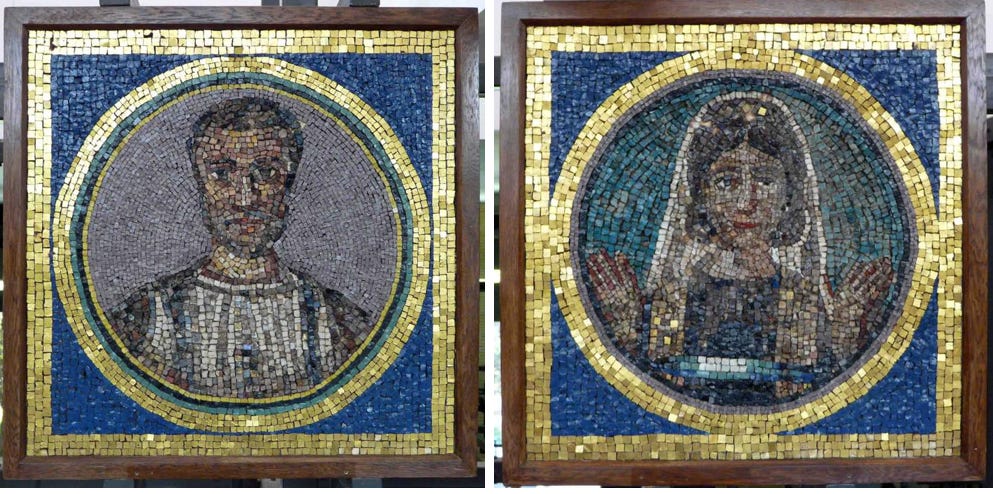
Following a ‘translation of saints’ bones’ in 1656 the mosaic portraits of Flavio Giulio Giuliano and Simplicia Rustica were discovered in the cemetery of Ciriaca, detached between 1656 and 1677 from a tomb with their epigraph and acquired by the collection of Agostino Chigi. They were placed, as was the custom at the time, on the wall in the staircase leading to the Library, according to a design by Pietro da Cortona Chigi and in a pattern not unlike the one we have mentioned for the Massimo collection. An interesting contiguity, therefore, between mosaics and libraries. It was not until 1918 that the mosaics were detached and acquired by the Lateran Christian Museum, where they were again restored.
In the 18th century, the century in which mosaics made their entry into museums and collections, we find several testimonies of mosaics in the catacombs, without precise topographical references, by the Custodian of the Cemeteries Marc’Antonio Boldetti in 1720. He testifies of mosaic decorations on lithic or fictile supports, and is the main source on the topic for that century.
A couple of examples: Boldetti describes a brickwork from the cemetery of Ciriaca, on which there was a monogram between alpha and omega in mosaic tesserae. It is now lost, but at the time it ended in Gaetano Marini’s private collection. I do not think it is a coincidence that a mosaic artefact of this type, i.e. more epigraphic than artistic, aroused the interest of the leading epigrapher of the time, who was also the Vatican Librarian. Secondly, Boldetti draws a direct connection between some mosaics found in the catacombs and the Carpegna Museum: these are mainly ‘several birds and flowers formed on terracotta boards with non-ordinary artifice, and of minute workmanship’, i.e. emblemata, found between the Appia and Ardeatina roads, in particular at Callisto, used as closures for burial niches. All these pieces were later transported to the then Carpegna Museum in the Rione Sant’Eustachio in Rome, of which no further information is available afterwards.
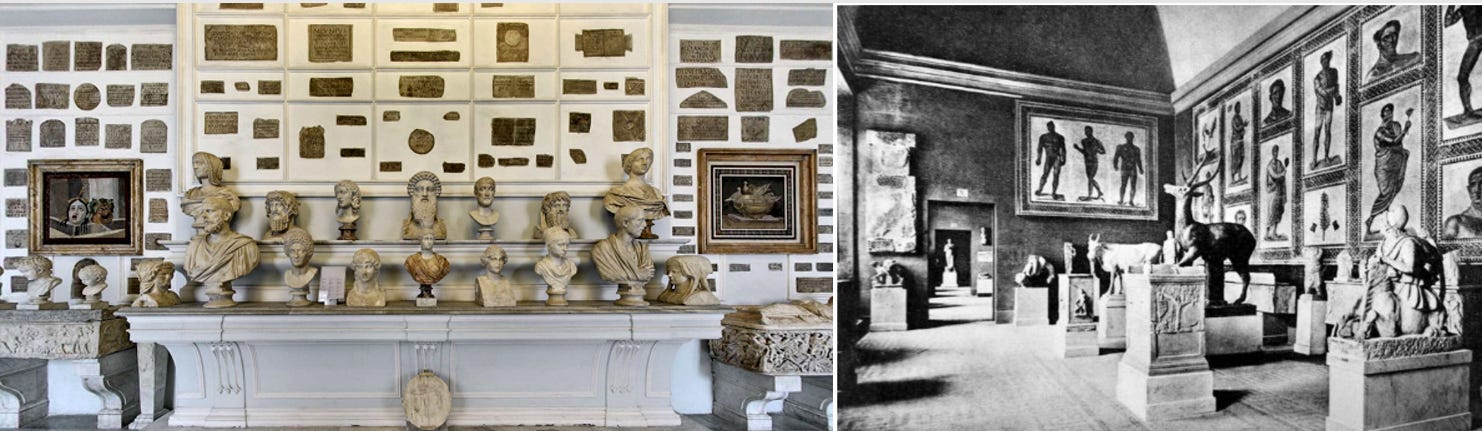
In general, mosaics in collections in the 18th century had to be tear out and cut up to make more artefacts, for immediate placement in an antiquarian market. The 19th century in Rome marked the beginning of massive systematic excavations in the catacombs, the founding of the first institution for the protection of these monuments and above all the opening of a large museum dedicated to them in 1854 at the Lateran Palace, where the discovered mosaics were directly brought. In the Lateran Museum, they are displayed into the wall, following a practice that has been going on for centuries, inaugurated in papal museums by the display of the Dove emblema of Villa Adriana. Indeed, in the Lateran Palace hosted the important museum experiment of displaying the mosaic of the athletes of the Baths of Caracalla, discovered in 1824 and then placed in the museum in 1836, first in an imaginative reconstruction of the floor and then set into the wall, had been developed.
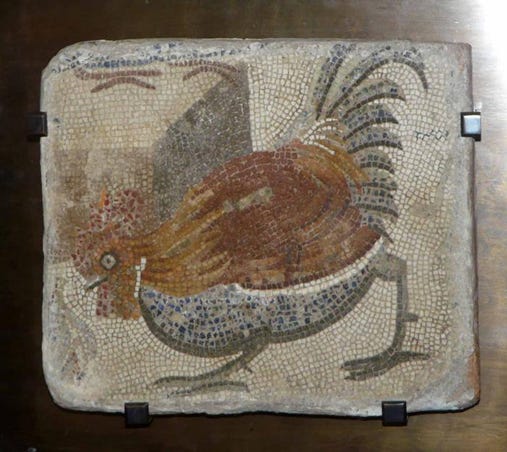
For our theme, an emblematic case is the brick with the mosaic image of a cock, a pavement emblem probably reused to close a niche. It was discovered in 1837 during the works of Virginio Vespignani in the cemetery of Verano, as stated in the sixth volume of Louis Perret’s disputed Catacombes of 1852, which places the mosaic to cover an unspecified martyr’s grave. Upon its discovery, it was sent straight into the Lateran Museum, where it was slightly restored and placed on the wall, in the large gallery of sarcophagi, along with all the other ‘sculptural works’, as noted in the catalogues of the time.
During the 20th century, the museum housed both mosaics previously housed in private collections (as the one in the Chigi Library which passed to the Laternanense Museum and then to the Pio Cristiano in the Vatican) and new discoveries, such as the two fictile slabs decorated with polychrome glass mosaic tiles from the Aproniano catacomb depicting three episodes from the biblical story of Jonah. They were discovered on 1 February 1938, the Pontifical Commission of Sacred Archaeology donated them to the Holy See and they immediately entered the Vatican collections, also becoming part, in 1963, of the new Pius Christian Museum opened in the Vatican after the closure of the Lateran Museum. Perhaps the most linear path in our little story.
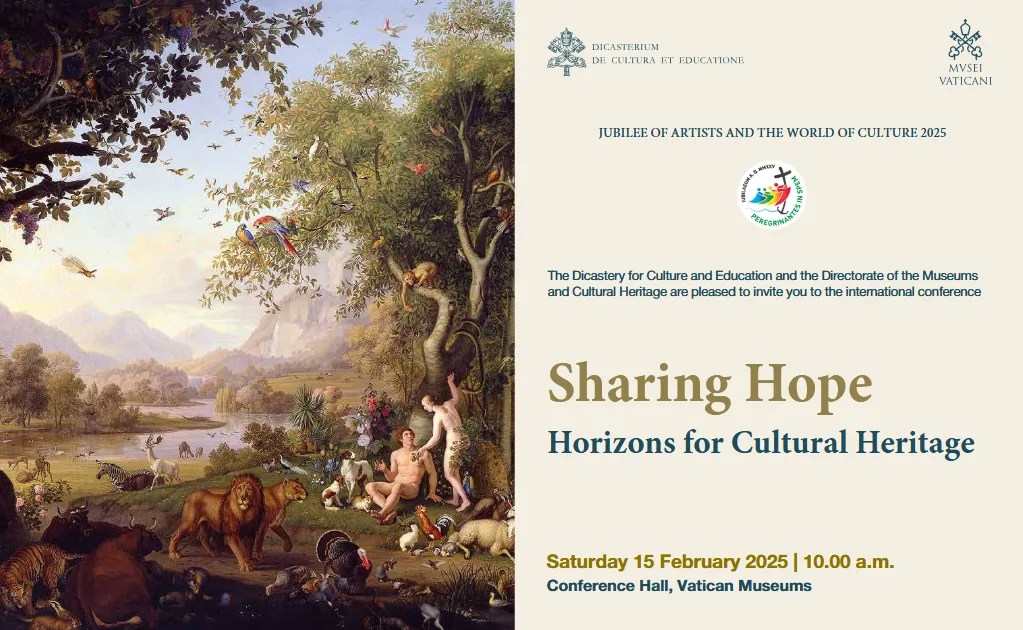
Last weekend I had the opportunity to take part in some of the events of the Jubilee of Artists and the World of Culture, which was held in the Vatican on 15-16-17 February 2025. Among the various religious celebrations, there was an international congress at the Vatican Museums, organised by the Museums themselves and the Dicastery for Culture and Education. The event aimed to bring together cultural workers from the Vatican State and various international representatives of institutions related to culture, the arts, research and teaching, including an important group of speakers chosen for their roles within the main Italian museums and universities.
The morning session was an important opportunity to reflect on the present, conceived as an analysis to understand what future awaits cultural heritage, as expressed by the title of the meeting ‘Sharing Hope – Horizons for Cultural Heritage’. The target was clearly the cultural heritage inherent to Christianity, but with a necessarily universal focus, if one thinks of the impact Christianity has had on European art. This is a subject very close to some of my recent studies and that is why attending this meeting was extremely inspiring.
In general, the experiences brought to the table were all of great interest, and all focused on the need to address a new cultural horizon so that Europe’s heritage does not become mute in the face of the growing backwardness of religious culture. I will not go into the details of the individual interventions, but I will report what for me were the most important points of reflection of the morning:
– The cultural code of the monotheistic religions can be considered as an indispensable iconographic volume to understand European art, a sort of manual through which to understand scenes and references. Much of European art is art born in churches, and therefore born to enliven faith: to forget this is to consider only the aesthetic aspects of a work, risking emptying it of its soul.
– The codes of understanding, however, are neither univocal nor fixed in time, and the sense of the sacred in all civilisations is made up of stratifications. Museums must always take this into account when communicating, increasingly moving towards an anthropological approach to monotheistic religions as well. In this sense, it is good to think of museums as two-faced beings: they look at both the past and the future at the same time, while remaining firmly anchored in the present.
– In the process of communication and valorisation, one has to take into account that cultural heritage is always an extremely contested point in societies and between generations. Doing culture in a museum or in research and educational institutions involves thinking about investing in the future: in a museum, when we conserve and enhance, we are responsible for a dialogue between generations, in which we must aim to meet and overcome the sense of superiority we have towards younger people.
The second part of the meeting included the presentation of the ‘Manifesto on the transmission of the religious cultural code’. Such initiatives are not new for Vatican cultural institutions: one example is the ‘Circular Letter on the pastoral function of ecclesiastical museums’, published in 2001 to become an important vademecum on how to manage ecclesiastical museums in the contemporary world.
The new Vatican manifesto is a declaration of intent focused precisely on a generational pact that has religious cultural heritage at its centre. It is composed of seven parts that briefly condense the focal points of the contemporary debate in international museology (1. Accessibility and codification; 2. Inclusion and innovation in cultural languages; 3. Education for active and deep involvement; 4. Artificial intelligence and bridges to the future; 5. Awareness and re-contextualisation; 6. Custody and transmission in times of crisis). It is the result of shared reflections, according to more universal ideas of peace, hope and dialogue, i.e. the themes of the current Jubilee.
The text in general presents a little bit of paternalism, a naïve vision of the “power of Beauty”, and presents a concept of inclusion that is extremely limited to a communicative rejuvenation. But beyond this, the manifesto is interesting for its focus on issues of communication, education and access to museum content.
I highlight just a few points:
Point 1, Accessibility and codification: it enhances the concept of accessing and understanding information through various media, very close to the indications given by the International Council of Museums in the new 2022 definition of museums.
Point 3, Education and involvement: it is assumed that learning happens in various forms, with interaction and involvement on various levels not only through passive actions of listening and reading information shared in a unidirectional way, with the top-down approach typical of museum curatorship in the past.
Point 5, Awareness and re-contextualisation: at every communicative moment, it is necessary to be able to critically question the meaning of the works, their historical context and the ethical issues related to their provenance. Here is where the question of the critical meaning of things arises, against any kind of simplified narrative.
These are very important seeds in a horizon of disorientation in which museums need to keep straight in order to continue their work of dissemination and inclusion without losing the direction themselves. It starts from the Vatican’s main museum with the ambition to reach all Christian and Catholic museums around the world, as well as all those who deal with religious heritage.
On the 30th June 2023 I joined the technical meeting on the future of the necropolis of Tarragona in the year of the 100th anniversary of its discovery, organised by the director of the National Archaeological Museum of Tarragona.
The necropolis has awarded seven million euros from the EU Next Generation funds, in the fSpanish “Plan de Recuperación, Transformación y Resiliencia” for its restoration and reopening. In light of this news, a panel of interdisciplinary professionals and the heads of the cultural organisations of the city of Tarragona (full programme here) got together to ask ourselves: One hundred years after its discovery, what are the most outstanding values of Necropolis that we must preserve for the future? And what needs to be done to transmit and enhance these values?
My role wwas to provide answers under the museologial point of view. In a full morning of work I presented some results of the study carried out during my secondment in 2022 (more info here). the answers are about to be developed more deeply in a pubblication, but this is the core of my presentation:
The day aimed to exchange points of view, offer a dialogue and reflection on this site and was open to the public, both in a presencial format and online, and is fully available online:
On 3 June we closed the exhibition «Los orígenes de la arqueología cristiana de Tarragona y la figura del Dr. Pere Batlle Huguet (1907-1990)» at the Museo Biblico in Tarragona. it was organised as part of the dissemination programme of the Conex-Plus project LIT! with the collaboration of many local and international institutions (as explained here).
This month has been very busy, the museum has been open and the entrance free of charge, offering lectures of various kinds and guided tours of the exhibition, to which the citizens have responded very well. The events were always very crowded and heartfelt: many friends, relatives and acquaintances of Pere Battle accompanied us in these activities and shared their memories and photographs with us.
The exhibition therefore closes with the certainty of having left something in our visitors and having learned from them, created connections between institutions and helped to enhance the heritage of the city of Tarragona.
The exhibition «Los orígenes de la arqueología cristiana de Tarragona y la figura del Dr. Pere Batlle Huguet (1907-1990)» is intended as a tribute to Dr. Pere Batlle, an important figure for the protection of the archaeological and artistic heritage of the city of Tarragona, who wrote the first scientific work on the Christian epigraphs of the Roman-Christian necropolis of Tarragona.
It is also an opportunity to deepen and disseminate some important findings about his person and his work and finally to transfer knowledge about the genesis of Christian archaeology in Tarragona.
The exhibition is part of the UC3M Conex Plus project “LIT! Living in the catacombs! Reception of catacomb art in European culture and architecture between the 19th and 20th century”. It was born from an idea of Chiara Cecalupo and the director of the Museum Andreu Muñoz, with the cooperation of their collaborators, but also from the contribution of the Historical Archive of the Archdiocese of Tarragona and the Library of the Pontifical Seminary, in particular the director Enric Mateu. Other entities such as the Catalan Institute of Classical Archaeology and Tarraco Viva, the Roman Festival of Tarragona, as well as the Pontifical Institute of Christian Archaeology of Rome also played an important role. This harmony of local and international collaboration has therefore been a good opportunity to create a link between people and institutions that enhances Tarragona, its heritage and history, and which hopefully will continue in the future in other activities and with the same spirit.
The exhibition is structured in the following sections: 1. Christian archaeology and the first art of the universal Church. 2. Christian archaeological heritage of Tarraco. 3. Christian archaeology in Catalonia between the 19th and 20th centuries. 4. Dr. Pere Batlle Huguet. His training and research in Christian archaeology and epigraphy. 5. Safeguarding the heritage of Tarragona.
The exhibition is located in the Biblical Museum of Tarragona, specifically in the room dedicated to the early Christian world (Mn. Joan Magí room). The exhibition contents are projected through a set of explanatory posters accompanied by archaeological objects, photographs and documents.
The exhibition has been scheduled to run from 10 May to 3 June 2023 and the planned activities are set out below:
–10 May, 7 p.m.: Opening act and lecture: “The origins of Christian archaeology in Tarragona and the figure of Dr. Pere Batlle Huguet (1907-1990)”, by Dr. Chiara Cecalupo (UC3M). Auditorium of the Museo Bíblico Tarraconense.
– 18 May, 7 p.m.: Lecture: “The Cathedral of Tarragona: Contributions to the Christian archaeology of the city” by Dr. Josep M. Macias Solé (ICAC). Auditorium of the Biblical Museum of Tarragona.
– 20 May: Guided tours of the area of the latest archaeological work in the cloister of Tarragona Cathedral. By the archaeologists Josep M. Macias Solé (ICAC), Andreu Muñoz Melgar (MDT/ICAC) and Andreu Muñoz Virgili (ICAC).
– Saturday 27th May (11 a.m.), Wednesday 31st May (5 p.m.), Saturday 3rd May (11 a.m.). Guided visits to the exhibition by Dr. Chiara Cecalupo (UC3M). The visits are free of charge and without prior reservation.
More info at museu.biblic@arquebisbattarragona.cat
A video (in Catalan and Spanish) of the opening and the exhibition:
The catalogue of the exhibition is in open access for free downloading:
Scientific Committee of the exhibition: Chiara Cecalupo (Universidad Carlos III de Madrid) Josep M. Macias Solé (Instituto Catalán de Arqueología Clásica) Enric Mateu Usach (Archivo Histórico Archidiocesano de Tarragona y Biblioteca del Seminario) Andreu Muñoz Melgar (Museos Diocesanos de Tarragona / Instituto Superior de Ciencias Religiosas San Fructuoso) Míriam Ramon Mas (Museos Diocesanos de Tarragona) Stefan Heid (Pontificio Istituto di Archeologia Cristiana, Roma) Immaculada Teixell Navarro (Asociación Cultural San Fructuoso) Exhibition curators: Chiara Cecalupo (Universidad Carlos III Madrid) Míriam Ramon Mas (Museos Diocesanos de Tarragona) Texts: Chiara Cecalupo y Andreu Muñoz Melgar Production and assembly: Josep M. Brull Alabart, Magda Domènech Jordà, Rosa Ferré Rovira, Roser Fornell Guasch, Josefina Folch Sabaté, Josepa Franquès Bultó, Joaquim Galià Romaní, Sergi Guardiola Martínez, Dolors Iglesias Torrellas, Joan Quijada Bosch, Neus Sánchez Pié, Paco Roca Simón, Jordi-Lluís Rovira Canyelles, Adolf Quetcuti Carceller y Andreu Ximenis Rovira. Audiovisual: «La Tarraco de los primeros cristianos», Asociación Cultural San Fructuoso Acknowledgements: Asociación Cultural San Fructuoso Museo Nacional Arqueológico de Tarragona Real Sociedad Arqueológica de Tarragona Jordi López Vilar
Over the past two months, news that Tarragona will receive seven millions for the restoration of the Early Christian Necropolis museum has brought this unique museum back into the local and national news. More on the news here.
It seems a happy coincidence that this news arrived precisely during the period of investigation I am conducting on this museum. It is not only the most interesting case of a museum of early Christian antiquities in Spain, but also one of the very few surviving examples of 1920s museum settings in Europe.
The museum was created and managed by the discoverer of the necropolis of Tarragona, Monsignor Joan Serra i Vilarò. Its contruction begun in late 1929 with the approval of the national government, and it was inaugurated in October 1930. It is a building in neo-classical style, built above part of the necropolis. The innovation of this museum lied in its being on-site, keeping the find close to the excavation site and preventing them from being taken to the national main museums, far from Tarragona. In this, as well as in the continuous publicationof excavation results, Serra i Vilaró was a true pioneer.
The collection was displayed in three rooms. In the basement, a part of the necropolis was visible, then amphorae, some sarcophagi and other materials were arranged. On the first floor, a long corridor surrounded the central hall. The corridor was used as a gallery and the main decorated sarcophagi and some of the funerary mosaics found in the necropolis were displayed there.
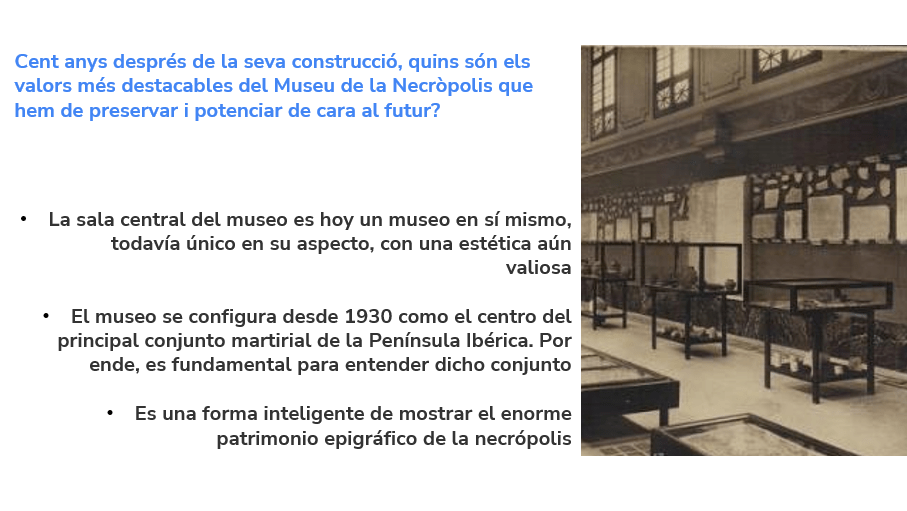
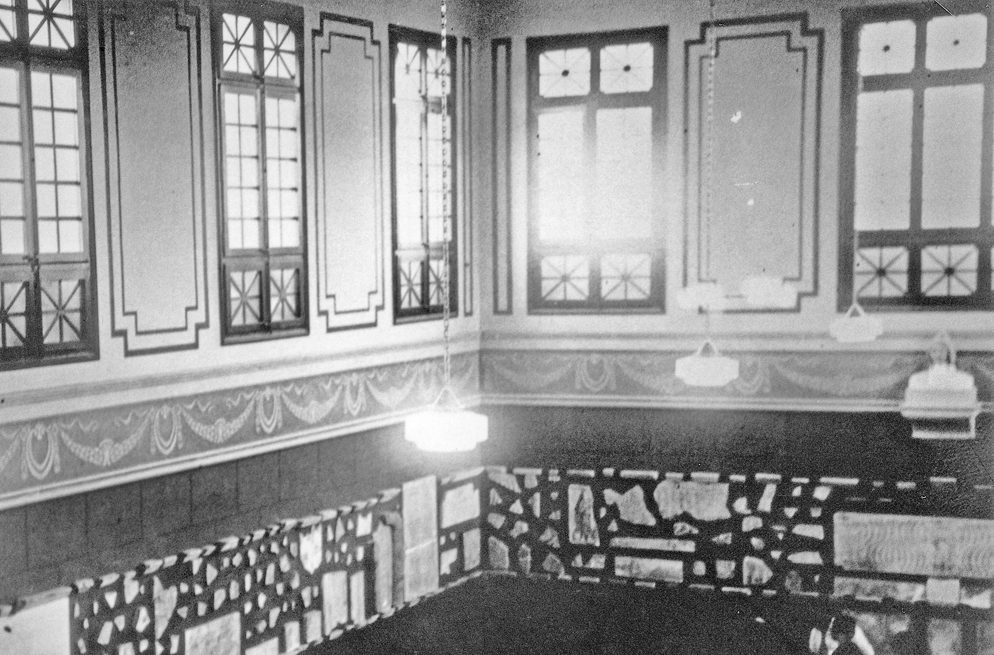
The central hall is certainly the most interesting. Its layout is very reminiscent of the Roman museums of the time (in particular the lapidary galleries of the Vatican Museums): all the epigraphs found in the necropolis, including the smallest fragments, are arranged on the central part of the walls. In the centre of the room, several wooden showcases held the smaller finds from the tombs.
The museum and its layout were very similar to many other archaeological museums in the Mediterranean (an example can be seen here). But its uniqueness today lies in the fact that it has never been modified: the life of the museum after the turmoil of the civil war of 1938-39 (in which the museum was emptied and the collection temporary evacuated) was very quiet and the layout was never radically changed. In the last 30 years, on the contrary, it has been closed and abandoned, despite the modernisation of the necropolis. For many years now, public access has been prohibited for security reasons. However, this has allowed the interior rooms to be preserved exactly as they were.
So what can we expect from the new incoming funds? That it will be possible to maintain as much of the original layout as possible, so that 21st-century visitors can live and understand the original experience of 1930s.
The Catalan city of Tarragona is one of the central places for the history of Christian archaeology in Europe and for the history of museums of Christian antiquities.
The early Christian Necropolis of Tarragona (3rd-5th centuries AD) is one of the most important and extensive necropolis of the Christian ancient world, with more than 2,000 documented burials of many different types. The necropolis stretched around a very important martyr centre, the funerary basilica where the remains of the three most important local martyrs rested: the bishop Fructuosus, and his deacons, Augurius and Eulogius. The three saints were burned alive in the arena of the amphitheatre of Tarraco in the year 259 AD.
Their remains were collected and buried in the outer area on the banks of the River Francolí. There, at the beginning of the 5th century, a basilica dedicated to the memory of the saints was built in the area of their tombs. In this same period, another basilica up northern was built and this area became an important Christian centre until the 7th century.
Current exhibition on site of the most important findings
But what interests us the most is the incredible musealisation of the area made in 1929-30. The necropolis was accidentally discovered in 1923, and in 1926 Monsignor Joan Serra i Vilaró took the lead of the excavations. He was an archaeologist who was well known for his documental rigour and for his desire to preserve and disseminate the remains. So in 1930 he opened a museum to explain the Early Christian Necropolis of Tarragona, which is, so far as we know, the first monographic museum in Spain dedicated only to Christian archaeology.
The museum and the necropolis today
We have many old photographs of the museum and it is still preserved, although not open to visitors. It was conseived with features very typical of early 20th century museology. The building, in classical style, had a perimeter corridor where the gracious stone sarcophagi were displayed. The central hall had display cases in the centre and thousands of epigraphs on the walls: this was the most important epigraphic display in the Italian style on the Iberian peninsula. In addition, it was constructed in such a way that the visitable underground hall could serve to preserve parts of the necropolis.
We are going to dig deeper in the history of this incredible museum in the following weeks. Stay tuned!
One of the most famous facsimile catacombs in Europe is the Museum of Roman Catacombs in Valkenburg (Netherlands). The complex is still highly visited today and is certainly an important piece in understanding the reception of early Christian antiquities in northern Europe at the beginning of the 20th century.
The museum was commissioned by the rich textile industrialist Jan Diepen to the famous Dutch architect Pierre Cuypers, and opened in 1910. The both of them visited extensively the catacombs of Rome and had close contacts with Papal authorities during the building of the facsimile monument.
This is one of the most important case that will be analysed by the LIT! project. So far, we managed to collect many postcards of the ’20s, some of which we share here. They are an important evidence of the paintings of the Valkemburg complex and the perfect way they copied those of the Roman catacombs (as visible in the original captions in Dutch). Enjoy!